
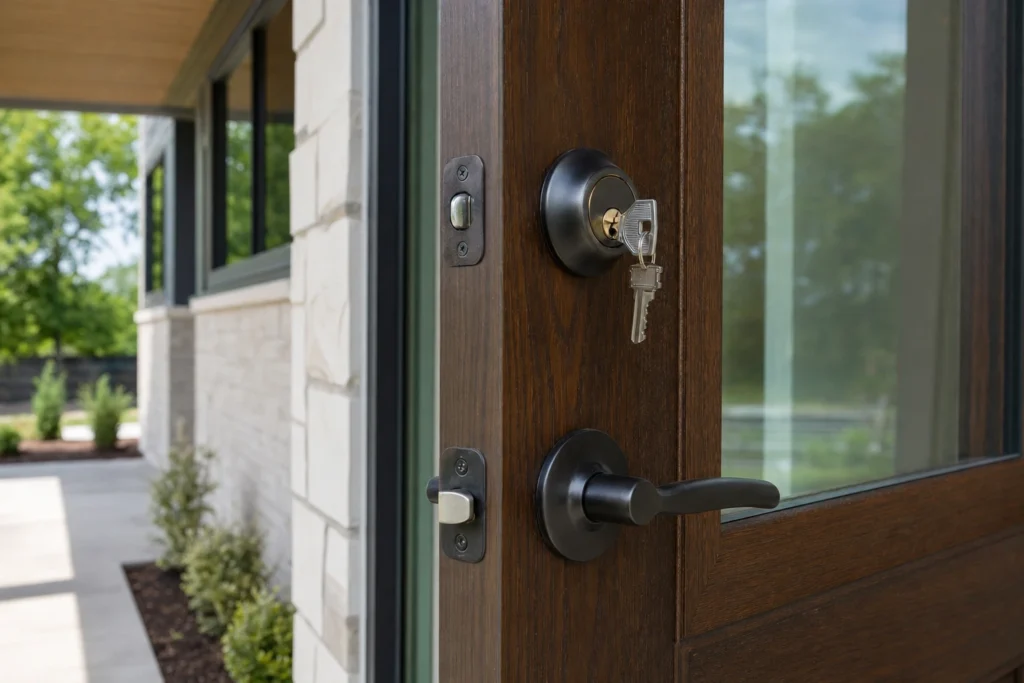
Every move, renovation, or staff change puts another key into circulation. By spring and summer 2026, that usually means a handful of “just-in-case” copies floating around with contractors, former tenants, or temp staff. Rekeying resets control without replacing your existing hardware, so old keys stop working and a new set becomes the only way.
Why Rekeying Is a 2026 Move-In Essential
If your lock hardware is in good condition, rekeying is faster and more cost-effective than full replacement. A locksmith changes the internal pin configuration in the cylinder so the lock responds to a new key. You keep the handles and deadbolts you like, and you remove uncertainty about who still has access.
This year’s busy moving months make timing the difference between “we’ll get to it” and a real security refresh. The best window is immediately after you take possession or right after contractors finish. That way, any keys that left your control during showings, renovations, or staffing changes no longer work. For many homes and businesses, coordinating rekeying the same week as a move or turnover avoids weeks of lingering risk.
Home vs. Business: Build the Right Scope
Homeowners typically start with the main entry, garage-to-house door, and any side or back doors. Ask to have exterior locks keyed alike when the cylinders allow it, so one key handles daily life. If you are upgrading door hardware soon but not today, rekey now to close the gap, then revisit hardware later. A rekey is also smart after a roommate moves out, a contractor’s project wraps up, or a key is lost with identifying details.
Businesses face different patterns. Keys change hands during shift turnover, vendor access, and cleaning services, which makes auditing who holds what critical. A simple rekey can bring all exterior doors to a clean slate, and a basic master key setup, when appropriate for the hardware, can give managers broader access while staff carry limited keys. If you operate shared spaces or multiple suites, map which doors truly need a master versus those that should remain isolated for accountability.
If you are starting a home refresh, explore how rekeying fits into your broader plan through our residential locksmith services. Business managers planning a turnover cycle can review options on our commercial locksmith page.
Smart Locks: What Still Needs a Key in 2026
Many smart deadbolts still include a physical keyway. If yours does, rekeying remains relevant because a lost metal key can still bypass your keypad or app. If your lock is truly keyless and uses codes or credentials only, your “rekey” becomes a digital reset: remove old app users, change codes, and review who has admin rights. Also confirm that any backup mechanical override is stored securely and updated if it was ever shared.
For hybrid setups, pair both steps. Rekey the cylinder and rotate digital credentials. That two-part cleanup closes analog and digital gaps at the same time, which is especially helpful after a renovation or short-term rental turnover.
A Simple Timing Plan for Moving Season
Calendars fill up quickly in spring and early summer. A little planning helps you lock in a clean handoff.
-
Pick the trigger date: Schedule rekeying for the first day you control the property or the day contractors finish.
-
List the doors: Exterior entries first, then interior doors that protect valuables, data, or tools.
-
Decide on keying alike: Where hardware allows, one key for multiple doors simplifies daily use.
-
Plan spare keys: Think through family members, managers, and backups, then have the right number cut immediately.
-
Store the old keys separately: Keep them labeled and set aside for disposal once you verify the new keys work everywhere.
Confirm access on the day of service so doors are reachable and alarm systems are silenced during work. A quick walkthrough at the end helps you test every lock with your new keys and sign off with confidence.
Questions to Ask Before You Book
A short conversation sets clear expectations. Ask a locksmith which of your existing locks can be rekeyed and which might need replacement because of wear or damage. If you want multiple doors on one key, confirm that your current cylinders are compatible. For offices, clarify whether a basic master key approach fits your doors and key control policy.
It is also reasonable to ask about identification checks, time windows for the visit, and how many keys will be cut on site. If you plan to replace any handles or deadbolts later this year, mention it. A contractor should help you choose a path that avoids paying twice, either by rekeying now and matching future hardware or by sequencing the upgrade first if that is the smarter move.
Plan Your 2026 Rekey
If a move, renovation, or staff change is on your calendar, rekeying closes the loop fast and protects what matters without replacing hardware that still works. Homeowners can start with our residential locksmith services, and business managers can review options on our commercial locksmith page. Ready to schedule or ask a quick question about scope and timing? Reach out through our Contact Us page and share your 2026 timeline.