
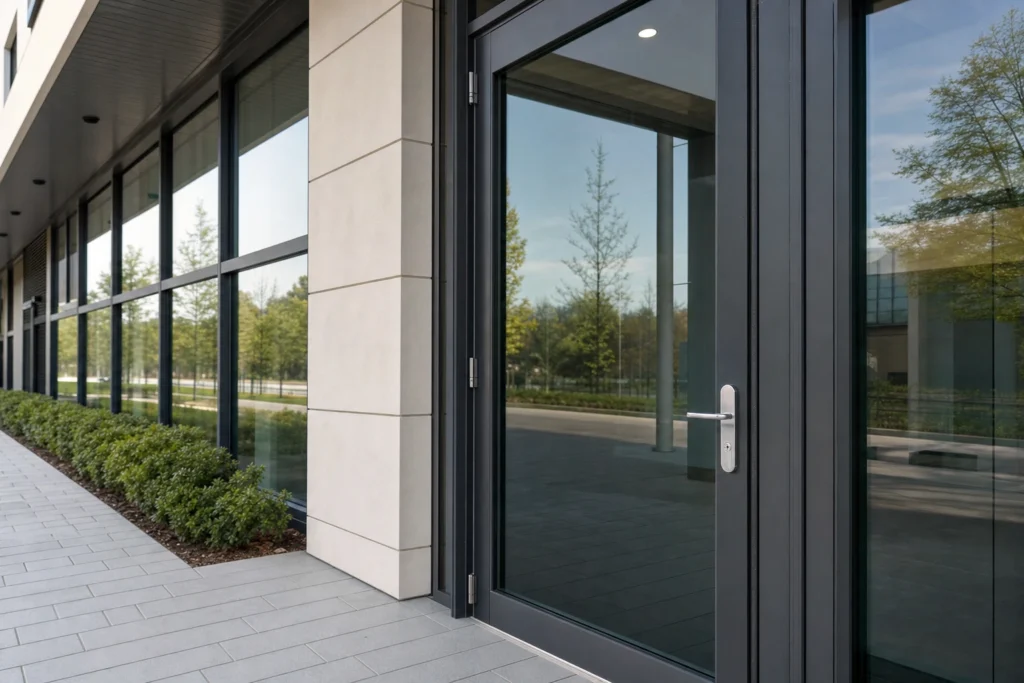
Key rings are shrinking this year as more teams move away from pass‑around keys and toward managed access, yet the work still starts at the door. Cylinders, strikes, closers, and hinges decide whether your new plan runs smoothly or leaves staff tugging on a sticky latch at 8:15 a.m. Here is how 2026 commercial upgrades actually come together, step by step, so you can plan with less guesswork and less downtime.
What “new” looks like in 2026, in practice
You will see two clear upgrades showing up across offices, retail, and light industrial spaces. First, key control is getting tighter through rekeying cycles and restricted keyways, which reduces the pile of “just-in-case” copies in circulation. Second, smart access is moving onto select doors, often where scheduling and quick changes matter most, such as employee entrances or supply rooms.
Neither change works well if the hardware fit is off. A deadbolt that is a millimeter out of line will chew keys and drain batteries faster. The cleanest 2026 projects pair administrative control, like codes or updated key records, with a professional hardware fit that keeps doors closing true and bolts throwing cleanly. If you want a quick refresher on why fit matters, the 2026 update to smart lock choices breaks the field into retrofit add‑ons versus full replacements, and the same thinking applies on commercial doors.
For a broad look at what a commercial partner can address, review the focus areas on our Commercial Locksmith page. It outlines the typical risks around storefronts, employee entries, and back‑of‑house doors that drive most requests.
How a 2026 commercial upgrade typically unfolds
-
Intake and triage: A clear first call sets the tone. You define the immediate problem, location, and access priorities. In urgent cases, safety and getting the door to secure or open again come first, then planning.
-
Door‑by‑door check: A walkthrough looks at cylinders, keyways, strikes, hinges, closers, and alignment. The goal is to separate what must be fixed now from what can be scheduled, and to flag any door that will fight a smart upgrade because of poor fit.
-
Key control reset: If keys have spread, rekeying stops old copies from working by changing the pin configuration inside cylinders. This preserves your existing hardware while handing you a fresh key set and a clean record of who has what.
-
Choose where to go “smart”: Many teams start with a few high‑value doors. You decide whether to keep existing locks with a retrofit interior add‑on or to replace the deadbolt entirely, a choice explained in more detail on our site’s smart lock guidance. The right pick depends on your door, who needs access, and how you plan to manage codes or app access.
-
Fit and install: Clean, reinforced installation prevents rub, misalignment, and latch issues that create callbacks. This is where careful drilling, strike reinforcement, and closer tuning protect your investment every time the door shuts.
-
Handover and quick training: You get the new keys, the updated key list, and, if you added smart access, a short rundown on adding and removing users. The goal is simple daily management, not a new job for your front desk.
If you want a snapshot of all service categories that can be part of a plan like this, scan our Services page to see how residential‑style hardware, automotive needs, and commercial entries often connect in multi‑use properties.
Keys, codes, and accountability after the upgrade
Life gets easier when you can change who gets in without changing the hardware every time. With a fresh rekey, you can hand out a limited number of physical keys and keep a short, accurate list. If you layered in smart access on select doors, day‑to‑day updates happen from an app or a portal, so temporary staff can have codes that start and stop on schedule and permanent staff can be updated quickly after a role change.
The quiet win is fewer surprises. A correctly fitted latch and strike reduce hold‑opens that trigger alarms and cut down on those “door will not lock” end‑of‑day calls. Battery life on smart devices also benefits when bolts throw smoothly. On purely mechanical doors, better alignment makes keys turn without force, which keeps cylinders healthy longer.
Preventing the 8:15 a.m. Bottleneck
A stuck storefront cylinder can freeze payroll or keep customers. The fastest way to prevent that is to combine routine checks with a clear call pattern. A quick monthly test of each exterior door, checking for drag, latch engagement, and closer speed, reveals problems before a rush. If something does fail during business hours, the first five minutes matter. Have the exact door location, the type of problem, and a callback number ready so an emergency response can prioritize safely and correctly. This mirrors the approach outlined in our emergency guidance, where the first questions are always about safety, location, and the nature of the issue.
For teams moving into a new space in 2026, do not skip the rekey. Even if the hardware looks new, the key trail is usually long after construction or tenant turnover. A rekey gives you a clean slate on day one, then you can layer in smart access where it will save time.
Next steps for your team
If you are planning a door refresh or you are reacting to a sticky lock that keeps slowing mornings, start by defining which doors matter most and who needs access through them. From there, a simple sequence of rekey, fit, and selective smart upgrades will carry most properties a long way in 2026. If you are ready to talk through options or schedule service, reach out through Contact Us and share the doors that give you the most trouble.