
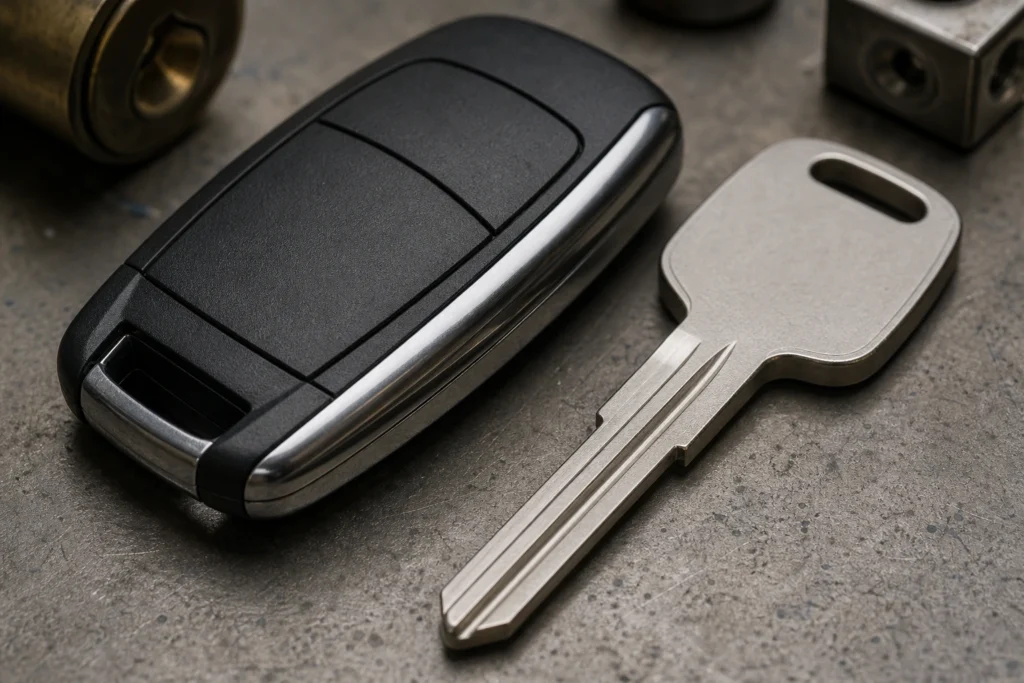
A single lost fob can turn into hours of delay if you try to solve it the old way. In 2026, most vehicles pair keys to immobilizers and onboard computers, which means the right approach is less about cutting metal and more about matching electronics to your specific model. The good news is that a smart plan gets you back on the road faster and reduces the chance of repeat downtime.
If you still have one working key, you are already ahead. Making a spare from a working key usually programs faster and avoids the extra verification steps that many all-keys-lost jobs now require. If you are down to zero, timing matters. Every hour you wait can limit part availability and extend scheduling.
What Changed for Car Keys in 2026
The biggest shift is how tightly your key talks to your car. Instead of a one-step clone, many replacements now involve a short sequence, pairing the new key to the immobilizer and confirming it with another module on the vehicle. That is why technicians ask for exact year and trim details before they quote time or process. Two models built months apart can use different chips and different pairing steps.
Another change you will notice is that some vehicles are pickier about the source of the fob. Online bargains that worked on older platforms may arrive pre-locked or incompatible with your car’s onboard system. A compatible blank and the right programming path save time, while an incompatible part can create false starts and extra trips.
Car Key Replacement Trends and Updates in 2026
Three patterns are common this year. First, more models expect at least one working key in the vehicle to authorize a new one. If you have a single functional fob, make your spare now rather than waiting until it is lost. Second, immobilizers are less tolerant of repeat attempts. The system may apply a short lockout after failed pairing, which means fewer, more accurate passes are better than trial and error. Third, scheduling matters because many vehicles need a specific transponder type. Having the correct part on the first visit keeps the entire job to a single appointment.
All of this makes the service you choose more important than the key you hold. Dealerships, mobile locksmiths, and hybrid service models can all solve the problem. The right fit comes down to how quickly they can get the correct part, whether they can program your vehicle type, and how they verify ownership so you stay protected against unauthorized access.
A Hypothetical Morning With Zero Keys
You grab coffee, pat your pocket, and realize there is no key. Here is a simple path that fits 2026 realities and avoids common delays:
-
Identify your situation: confirm you have zero working keys and note the exact make, model, and year.
-
Protect the vehicle: keep it in sight if possible and avoid forcing any locks, which can trigger alarms or cause damage.
-
Contact a professional: ask specifically about your model, part availability, and programming steps for an all-keys-lost scenario.
-
Prepare documents: have proof of ownership and identification ready so the professional can verify and proceed.
Following that sequence keeps the process moving and prevents extra security checks from slowing you down.
What to Have Ready Before You Call
A clear description of your vehicle helps a professional bring the correct blank and tools. Note the trim level, push-button start or standard key slot, and any aftermarket alarms. Proof of ownership is critical in 2026 because tighter pairing protocols go hand in hand with tighter identity checks. Expect to show identification and vehicle documents before programming begins.
If you are evaluating options, review the scope of support. Some providers focus on a set of brands or model years, while others cover a broader range. You can learn more about coverage and related solutions on our Auto Locksmith page, and you can see the wider menu of help on our Services page.
Make Your New Key Last
Once you are back up and running, create buffer against the next hiccup. Program a spare as soon as you can and store it separately from your daily carry. If your fob uses a coin-cell battery, set a calendar reminder to replace it proactively. A weak battery can look like a programming fault, but it is simply low voltage.
If your fob includes a hidden emergency blade, make sure it is present and cut correctly. That tiny backup can unlock a door when the battery is low so you can place the fob where the vehicle can read it. Add a simple label to your spare that lists the battery type. A two-minute swap often prevents a tow or a second service call.
Car Key Replacement services continue to evolve in 2026, but the smartest move is simple: act while at least one working key exists, and choose a provider that prioritizes correct parts and verified programming. If you have questions about Car Key Replacement trends and updates in 2026 or need help now, reach out through Contact Us.