
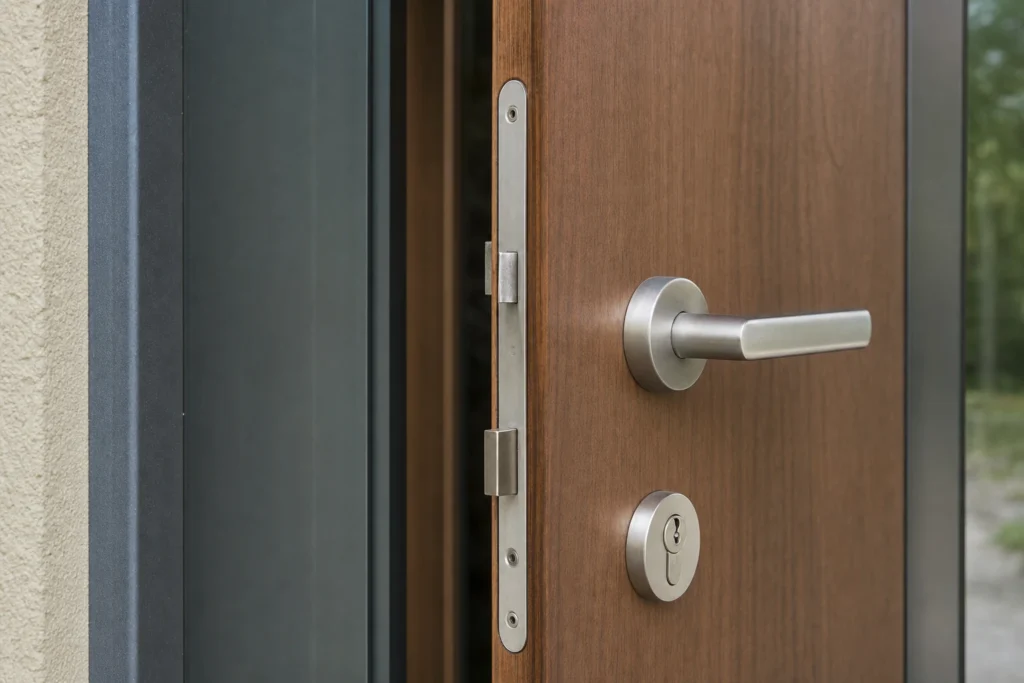
A jammed storefront latch at opening time. A house door that will not turn after a key snaps. A car that senses the fob but keeps the doors deadlocked. In an emergency, minutes matter. Here is a clear, behind‑the‑scenes look at how emergency locksmith services typically unfold in 2026, what decisions guide each step, and what you can do to speed them up. If you are searching for 24/7 emergency locksmith services in your area, the workflow below is the practical backbone most providers follow.
The First Minute Shapes the Next Hour
The first questions are simple on purpose: Are you safe, where are you, and what exactly is locked? That triage sets urgency, dispatch, and tools. If there is a risk to people, pets, or property, that moves to the top of the queue. After safety, location and lock type decide which technician and vehicle head your way.
Sharing precise details helps avoid guesswork. Instead of “front door won’t open,” try “single-cylinder deadbolt with a separate knob lock, key broke in the deadbolt.” For cars, the year, make, and model can determine whether non-destructive methods will work quickly or if immobilizer rules add steps. For businesses, note whether there is panic hardware, a keypad, or an access control reader on the door.
A reputable dispatcher uses this first minute to prevent the biggest delay of all, arriving without the right person or gear. Clear info on the call means fewer callbacks, a cleaner ETA, and a higher chance of a non-destructive entry on the first attempt.
What to Say on the Call
Have a few specifics ready. This short list covers what most dispatchers need to send the right help and set a reliable ETA.
- Safety status: Anyone locked a stove on, extreme heat or cold, children or pets at risk.
- Exact location: Full address, building entry instructions, and where to park.
- Lock context: Home, business, or vehicle, plus lock type or door hardware if known.
- Ownership or access rights: Your authorization to enter, and where your ID is if it is.
- Time sensitivity: Opening a business, stranded roadside, or late-night return with no spare.
- Constraints: Gated entry, low light, alarms that may trigger, or a doorman to coordinate with.
Dispatch Logic: Matching Skill, Tools, and Distance
Once the call is logged, the company assigns a technician with the right specialization. Automotive, commercial, and residential jobs often require different toolkits and experience. For instance, a car lockout on a late‑model vehicle may call for an auto specialist trained to avoid airbag and weatherstrip damage, while a storefront with a stuck mortise lock benefits from someone fluent in commercial cylinders and exit devices.
Distance is only part of ETA. Traffic, parking, and on‑site access add minutes. Good dispatch balances geography with capability so the first person who arrives is the best person for the job. You should receive an ETA and, when possible, an update if conditions change.
On site, the Least Invasive Method Comes First
The initial assessment confirms what was described on the phone. The goal is to gain entry without damaging the lock or door, then decide what to do next. Non‑destructive techniques come first because they protect your hardware and cut down on follow‑up work. For homes, that might mean picking or bypassing a latch without scarring the strike. For businesses, it can involve diagnosing a misaligned latch or a problem with an electric strike before forcing anything. For vehicles, specialists avoid prying and instead use controlled techniques designed for the model so airbags, window channels, and sensors remain intact.
Smart locks add another decision point. If power or connectivity is the issue, the tech may use the mechanical keyway if available or follow the manufacturer’s guidance for safe access and reset. The throughline is judgment, choosing the path that solves the lockout quickly while preserving security.
After Entry: Restoring Security Before You Relax
Once you are back the next call is about security. If a key broke or was lost, rekeying is often faster and less expensive than replacing a lock, and it cuts old keys out of the system. If a latch or cylinder failed, replacement or adjustment reduces the risk of another midnight call. Homeowners planning a fix can review available options on the page for residential locksmith services.
Businesses may need to get a door operating immediately, then schedule follow‑up for cylinders keyed alike, restricted keyways, or access control changes. If that is your situation, the overview at Commercial Locksmith is a good place to see what can be addressed next. For vehicles, once you are a tech may cut and program a backup key or fob if supported for your model. You can check typical capabilities on the page for Auto Locksmith.
Authorization, Pricing, and Documentation
Two checkpoints protect you and the technician. First, work authorization. Expect to approve the service scope and a price or price range before tools come out. Second, proof of control. If your ID is locked many providers will verify authorization after entry against the address or registration before handing over new keys.
A clear invoice should note what was done, any parts used, and recommendations to prevent a repeat emergency. If the situation involved damage from a break‑request photos and part numbers in case you need to file an insurance claim.
What Speeds Things Up
Small steps shave real time. Turn on lights around the door if you can. Clear the immediate area of obstacles and secure pets. Share keypad codes or alarm details you are authorized to provide. If you are in a garage or lot, flag the exact vehicle bay or stall. For complex hardware, a quick photo sent during the call can confirm the right tools are on the truck.
The takeaway is simple. Fast, safe entry is the result of good triage, the right match of skill to problem, and smart choices at the door that preserve your security. If you need emergency locksmith services right now, call Lion Guard Locksmith at (678) 233-2989 and keep this checklist handy to make the first minute count.