
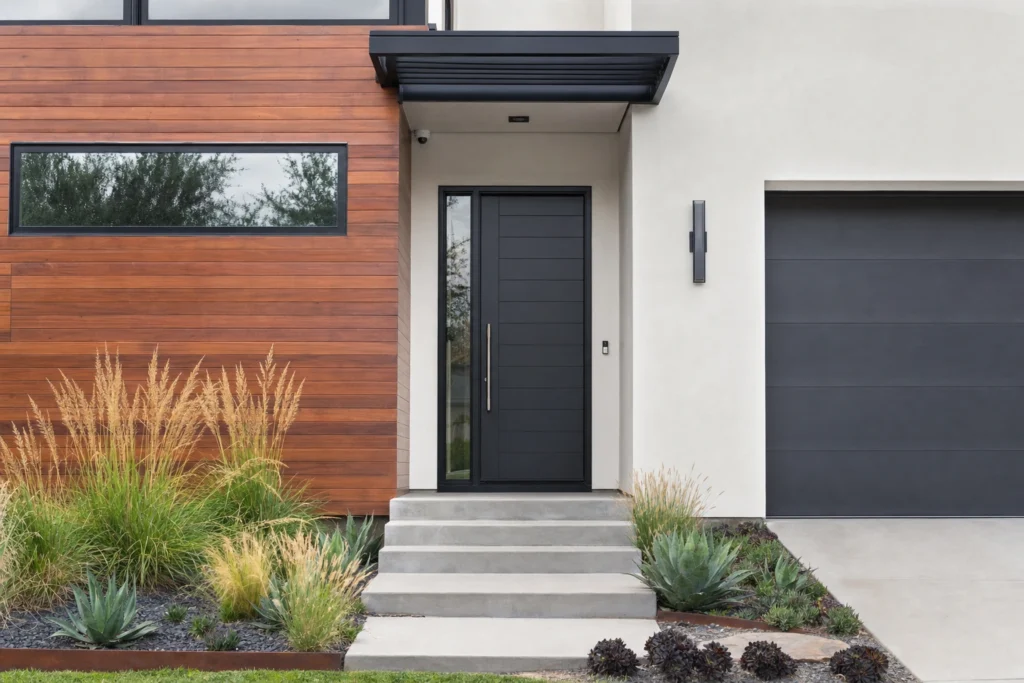
Your porch camera chirps at 2 a.m., but the real problem sits five feet away: a side door that only latches if you lift the handle, or a window you have meant to re-lock since last weekend. That mismatch, noisy tech and quiet hardware issues, is exactly how break-ins happen. Here is a detailed breakdown of home security tips in 2026 that starts with the frustration you feel and walks you to fixes that work.
Stop Guessing: Do a 45-Minute Home Check
Most people add gadgets before they look at the basics. A quick, honest tour of your place will show you where the risk actually lives. Set a timer for 45 minutes and work clockwise from the front door.
- Test every exterior door: latch, deadbolt throw, and frame movement when you lean your shoulder into it.
- Check door hardware screws: strike plate and hinges should use long screws that bite into the framing.
- Inspect windows and sliders: confirm locks engage firmly, and try lifting a slider to see if it can be popped.
- Walk the perimeter after dark: note burned-out bulbs, shadowy corners, and shrubs blocking sightlines.
- Stand where a package lands: is it visible from the street or hidden from your own windows and cameras?
- Review access: who has keys or codes right now, including old sitters, contractors, or past roommates?
Write down anything that felt loose, wobbly, or uncertain. That list becomes your action plan, ordered by how fast and cheap the fix is. You will solve the most risk with the least cost by starting here, not in an app menu.
Stronger Doors Start With Framing and Fit
A solid door still fails if the frame is the weak point. If your deadbolt drags, catches, or needs “just the right lift,” alignment is off and the bolt is not burying into the strike pocket. That makes forced entry easier and also shortens the life of the lock. Tighten hinge screws, square the strike, and set the deadbolt so it throws fully without rubbing.
Reinforcement matters more than thickness. Replace short strike screws with 2.5 to 3 inch screws that reach the wall framing, and do the same at the top hinge to strengthen the side that takes the hit. If the jamb wood is soft or chewed up, install a reinforced strike or latch shield that spreads force across more wood. If you prefer professional help choosing the right hardware for your specific doors, see our Residential Locksmith options.
Windows and Sliders: Quiet Fixes, Big Gains
Most forced entries do not start with a Hollywood glass smash. Intruders look for a slider that lifts or a window latch that never fully sets. Add an anti-lift device or a simple dowel in the track so the panel cannot be shoved up and out. For double-hung windows, a secondary pin lock stops prying without making the sash hard to operate.
Visibility does half the work. Trim shrubs below window height and add light where walkways turn dark. Motion fixtures aimed across the approach, not directly at the camera lens, reduce glare and give you usable footage. If you pair lighting with cameras, set zones so passing cars do not trigger constant alerts. The goal is simple: your windows should be hard to manipulate and easy to see.
Access Control You Can Keep Track Of
Keys and codes tend to multiply. If you cannot list who has access in under a minute, you are overdue for a cleanup. Rekeying is a fast, budget-friendly reset that makes old keys obsolete without replacing the entire lock. If you use a keypad, clear any one-off codes you no longer need and turn on auto-lock if your door often sits ajar.
Smart locks can help, but only if they fit your door and your routine. Poor alignment will drain batteries and leave you locked out at awkward times. If you upgrade, choose models that support temporary codes and event logs you actually plan to review. For guidance on matching hardware to doors and daily use, browse our Services.
Smarter Alerts, Fewer False Pings
False alerts train you to ignore real ones. Tame them by defining smaller detection zones, lowering sensitivity for high-traffic areas, and turning on people or package detection where your devices support it. Schedule notifications so you are not pinged by your own family moving around during predictable hours.
Alarms and cameras work best with a response plan. Decide in advance what you do for each alert type: check a camera, call a neighbor, or contact authorities. If you add a siren, keep it loud, brief, and targeted. Bright light plus a short blast of noise at the right spot is more effective than a house-wide howl you end up disarming out of annoyance.
Put It Together This Week
Start with your 45-minute check, fix fit and framing at the doors, lock down sliders and windows, clean up keys and codes, then tune alerts so they mean something. If you want a second set of eyes or hardware installed the right way, reach out through Contact Us and we will help you prioritize the upgrades that make you feel safer every night in 2026.