
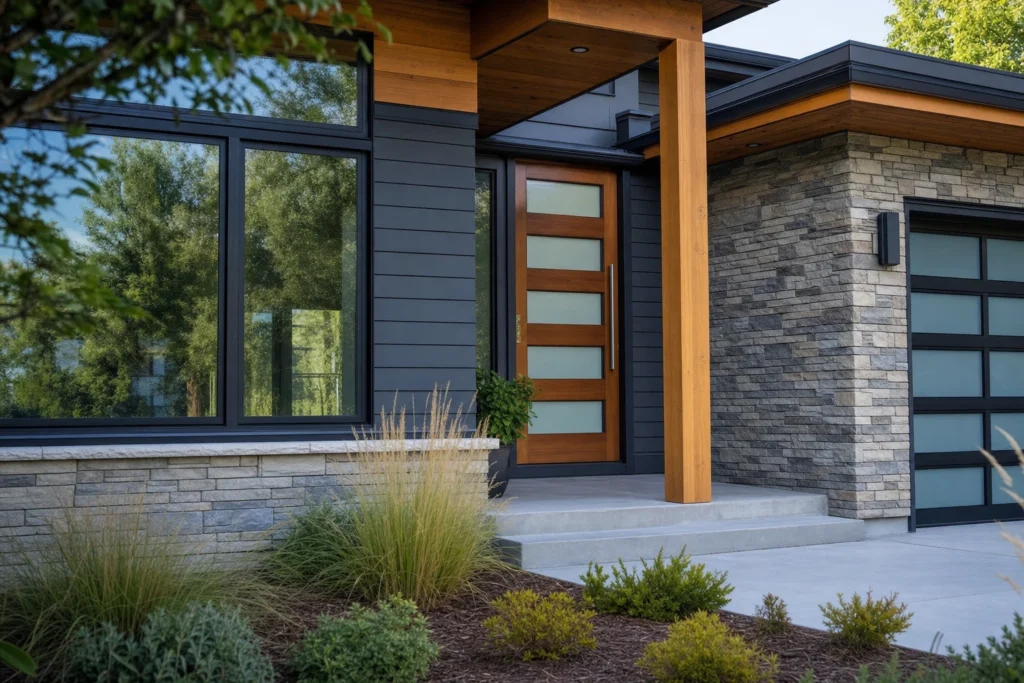
Your phone wakes you again at 1:47 a.m., another “motion detected” that turns out to be wind and a shadow. Meanwhile the garage entry door only half latches unless you lift the handle just right. That mismatch, noisy alerts and quiet hardware issues, creates the gap an intruder will use. Here are home security tips for homeowners in 2026 that start with the pain you feel and end with practical fixes that work.
Cut False Alerts, Keep Real Signals
If your camera or doorbell pings too often, you stop checking. That is exactly how meaningful alerts get missed. This year, use the smarter filters most devices now include. Set people-only or package detection where supported, draw privacy zones so moving trees and street traffic do not trigger recordings, and schedule night alerts to only notify on sustained motion, for example movement longer than three seconds.
Review the notification types in the app. Many systems can send a quiet banner for general motion and a louder push or chime for a person at the door. That tiered approach keeps you responsive without being on edge. Finally, audit where each camera points. Aim at approaches and door hardware, not wide yards that create noise. Better signal means you can act when it matters.
Fix the Door That Actually Gets Tested
The garage-to-house door is the most overlooked entry. It often has a spring latch, short screws in the strike plate, and a weak frame. Replace those short screws with 3-inch screws that bite into the stud, and verify the door is solid core. If a deadbolt is present, make sure the bolt throws fully into a drilled pocket that is deep and centered. A bolt that rubs or stops early invites forced entry.
For sliders, the keyed handle usually does not secure the door by itself. Add a top pin or auxiliary foot lock that prevents the panel from lifting, and place a solid bar or dowel in the track cut to fit. Check the fixed panel too. If it flexes or rattles, have a professional evaluate the frame and fasteners. Quiet hardware issues are solvable, and they pay off every single time the door closes.
If you want help selecting or installing better hardware, see our Residential Locksmith services. A proper fit and alignment reduce both forced-entry risk and everyday frustration.
Keys, Codes, and Short-Term Access
The number of people who need access to your home changes more than you think. House cleaners, dog walkers, handymen, visiting friends, and former roommates can keep old keys in circulation. In 2026, treat access like a calendar item, not a permanent setting. If the lock hardware is in good condition, rekeying after a move or renovation is a fast way to reset control so only your new keys work.
If you use a keypad or smart lock, switch to expiring codes for guests and contractors. Set a start date, an end date, and alert on use. Avoid sharing your primary code and do not reuse garage keypad PINs that are easy to guess, like address numbers. Keep the mechanical key as a backup, stored with someone you trust, and update their access when you change yours. If the lock seems loose or the latch feels spongy, it is time for service before reliability turns into a lockout.
You can compare options and request help through our list of locksmith services.
Your Wi-Fi Is Part of the Front Door
Most modern doorbells, locks, and cameras rely on your network. Weak passwords and outdated routers are not just tech problems, they are entry problems. Use WPA3 security where available, change the default router admin password, and turn on two-factor authentication for device accounts. If your router supports a separate network for smart home devices, put cameras, doorbells, and locks there. That way your laptop and banking apps stay isolated from the gear on the porch.
Firmware matters. Set a monthly reminder to check for updates on your locks, cameras, and hub. Updates often fix bugs that cause battery drain or unreliable locking, and they sometimes add better motion filters. Consider a small battery backup for your modem, router, and smart lock hub so a short power outage does not disable the very tools you plan to lean on in an emergency.
Packages, Lights, and the Space Between
Porch pirates watch routines. If your deliveries habitually land in the same visible spot at the same time, you are training them. Use delivery instructions to place packages out of direct sight and angle your doorbell camera to record hands at the drop zone, not just faces at the bell. Motion-activated lighting that comes on at human height, not just at driveway distance, helps you capture clear video and sends a signal that the area is watched.
Think about the dark spaces between entries too. A side gate with a loose latch, a basement hatch that no longer locks, or a fence gap can all turn a well-lit front door into theater while the real approach happens out of frame. Walk the exterior once a quarter at night and fix what is obvious. Most security wins start with common sense, applied consistently.
A One-Hour Home Security Tune-Up
If you want a quick, practical pass that makes a difference this week, use this sequence.
- Inspect and tighten: Replace strike plate screws with 3-inch screws, verify deadbolts throw fully, and adjust any door that rubs.
- Update and test: Apply firmware updates to locks and cameras, then confirm you can lock and unlock with the app and the key.
- Rework alerts: Set people-only detection, create privacy zones, and change notification tones so important alerts stand out.
- Reset access: Remove old guest codes, add expiring codes for current helpers, and list any physical keys to rekey or collect.
- Walk the perimeter: Check sliders, side gates, garage entries, and lighting. Fix the one issue you can solve today.
Make This the Year You Close the Gaps
Home security in 2026 is less about flashy tools and more about quiet reliability, the door that latches, the alert that means something, and access that matches who should be. If you want a friendly walkthrough of what to change first, reach out through Contact Us.