
Your phone pings at 2:13 a.m. Another “motion detected” alert from the porch camera. You open the app and see a moth. Meanwhile, the slider off the kitchen still rattles, and the garage entry door sticks just enough to skip the deadbolt. That mismatch, noisy tech and quiet hardware issues, is how risk creeps. Here are updated home security tips for homeowners in 2026 that shift focus to the fixes that actually reduce break-ins.
Patch the Easy Entries First, 2026 Edition
Start with fit and force, not gadgets. If you can see daylight around a door, a determined shove or pry bar gets a head start. Close each exterior door and check for play in the slab and frame. Tighten loose hinge screws, then replace one screw per hinge with a 3-inch wood screw that bites into the stud. On the lock side, use a reinforced strike plate and 3-inch screws so the bolt anchors to framing, not just trim.
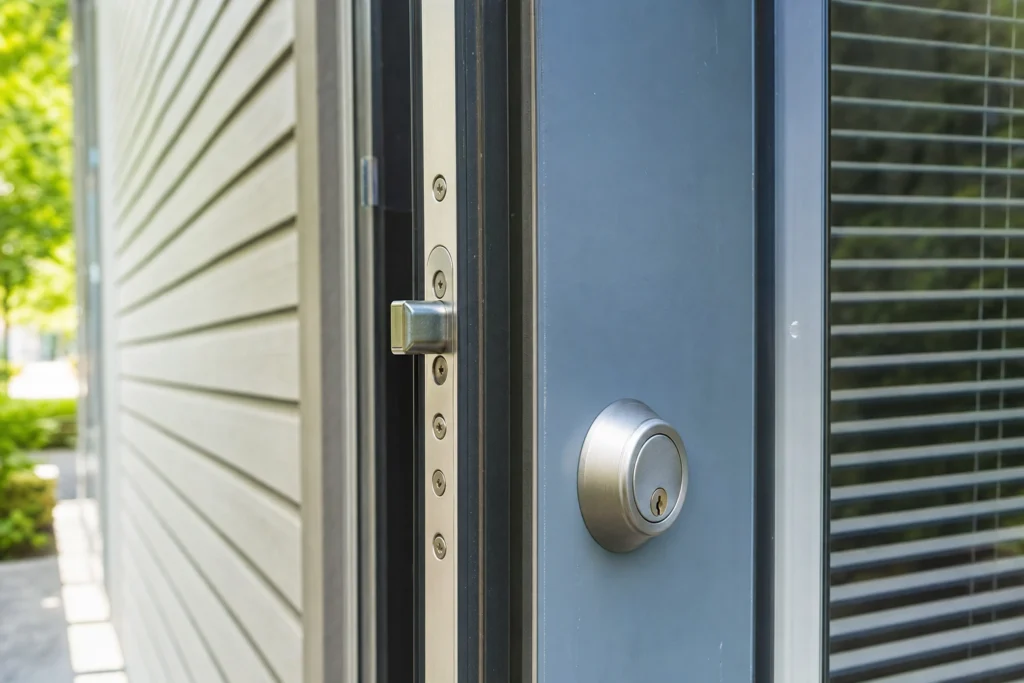
A deadbolt does its job only if it fully extends and the cylinder is tight. If the thumbturn feels gritty or the key needs wiggling, the cylinder may be worn or the latch is misaligned. Small alignment fixes, like moving the strike or adjusting weatherstrip, can restore the full bolt throw. If you are unsure what you have, a residential locksmith can recommend Grade 1 or Grade 2 hardware that resists kick-ins better than light-duty locks.
Smart locks help, but treat them as convenience on top of strong hardware. In 2026, set a monthly battery check reminder, use auto-lock with a reasonable delay to prevent lockouts, and make sure the lock’s app requires two-factor authentication. Skip SMS codes if the app supports an authenticator. Digital access is only as strong as the account securing it.
Make Your Smart Gear Work for You, Not Against You
False alerts train you to ignore your system. Revisit your camera and doorbell settings. Narrow motion zones to approach paths, enable human detection if available, and add privacy masks for sidewalks so public movement is filtered out. Adjust night sensitivity so insects and headlights do not constantly trigger notifications.
Update firmware across all devices. Many 2026 updates patch vulnerabilities and improve detection accuracy. Use unique, strong passwords for each brand account, and enable two-factor everywhere. For shared access, create time-limited guest codes instead of handing over a physical spare key. If your lock or camera logs events, scan the history monthly. Unknown codes or offline windows are signals to investigate before a problem grows.
Network Hygiene That Protects Your Home Gear
Your security devices rely on your router. Turn on WPA3 if your router supports it, and put cameras, doorbells, and voice assistants on a separate IoT or guest network. That segmentation keeps a compromised gadget from reaching laptops with personal files. Disable unnecessary port forwarding and Universal Plug and Play if you are not using them. Most modern systems work securely through encrypted outbound connections, so avoid exposing camera feeds directly to the internet.
Consider a small battery backup for the modem, router, and any local hub. A 300 – 600 VA UPS can keep alerts flowing through brief outages and keep smart locks responsive. Outages are when some intruders test doors, so staying online matters.
Perimeter Habits That Cut Real Risk
Light what intruders need to cross. Motion-activated fixtures near driveway, side yard gates, and back entries make it uncomfortable to lurk. Keep shrubs trimmed to about three feet and tree canopies up to six feet so sightlines stay open. Lock windows and add auxiliary pins or keyed levers to sliders so the panel cannot be lifted from the track.
Think about approach friction. A package box that requires a code, a gate with a self-closing spring and latch, and a clearly visible house number all reduce wandering onto your property. Pair that with a door viewer or camera covering the approach, not just the threshold, so you can see who is casing and not only who is knocking.
If you are moving rekey immediately. You cannot know how many copies of the old keys exist. Rekeying keeps existing hardware but changes the key that operates it, a fast way to reset your risk.
A 30-Minute Audit You Can Do Tonight
- Doors: Close and lock each exterior door. Try pushing and pulling. If the bolt binds, mark the strike to adjust later.
- Hinges and strikes: Replace one screw per hinge and all strike plate screws with 3-inch screws. Tighten any loose hardware.
- Windows and sliders: Engage locks, add a dowel or pin in the track, and test for lift resistance.
- Smart lock/app: Turn on auto-lock and two-factor authentication. Remove any old guest codes.
- Cameras/doorbell: Redraw motion zones, enable people-only alerts, and run firmware updates.
- Router: Confirm WPA3, create a separate IoT network, and reboot to apply updates.
When to Bring in a Locksmith
If a lock cylinder wobbles, keys are missing, or the door frame shows cracking around the strike, it is time for professional help. Lion Guard Locksmith provides residential locksmith services that include rekeying, lock upgrades, and tailored advice for your entry points. Learn what is possible on our Residential Locksmith page, or browse the broader scope of our Services.
You do not need a whole new system to feel safer in 2026. You need a few targeted fixes that remove easy options for intruders and quiet the noise from your devices. If you want a short plan for your home, reach out through Contact Us and ask for updated home security tips for homeowners in 2026 tailored to your layout.