
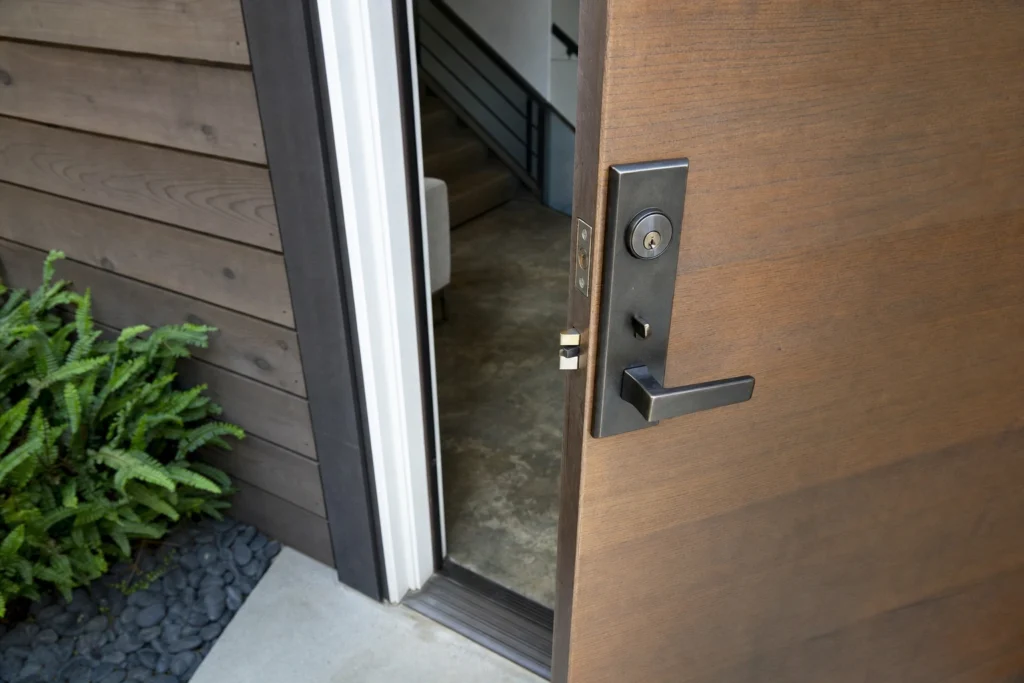
A new lock looks like a 20‑minute swap until the bolt scrapes, the key binds, or the strike plate fails the first hard push on the door. The hesitation is fair: are you overpaying for something you could do yourself? Here is a clear breakdown that shows what you actually get from professional lock installation services and how to avoid the problems that make a “quick install” expensive later.
The Real Hesitation: Is Paying a Pro Worth It?
Most people are deciding between three risks: door damage from drilling, a lock that feels gritty or drains smart‑lock batteries, and security that is weaker than the hardware rating suggests. A hole that is a few millimeters off, hinges that sag, or weatherstripping that pushes the door back can create just enough drag to cause all three.
A clean, aligned install also prevents the quiet failures you cannot see. A deadbolt only protects you if the bolt fully throws and the strike is anchored into framing, not just trim. On keyless models, a slight rub can force the motor to work harder, so batteries die fast and the lock times out. Paying a professional is mostly about eliminating that hidden friction and making sure the door and frame support the hardware you chose.
What a Clean Install Actually Includes
Here is the work that separates a smooth, secure door from a sticky one. If you like step‑by‑step clarity, use this as your checklist.
- Pre‑check: assess the door swing, reveal, hinge sag, and weatherstrip compression.
- Measure: confirm bore size, backset, and through‑bolt pattern match the lock.
- Prep: square the edge bore and latch pocket, and pilot‑drill screws to prevent splitting.
- Align: position the strike so the bolt throws fully without lifting or dragging.
- Reinforce: upgrade strike screws into the stud and add a box strike if the kit includes one.
- Calibrate: on smart locks, run setup with the door closed to learn bolt travel.
- Test: lock and unlock from both sides, door open and closed, multiple times.
- Finish: tighten, re‑check reveals, and verify that keys and codes work as expected.
None of this is glamorous, but each step prevents a future call, a return, or a door slab replacement.
Avoiding Price Surprises
The biggest budget swings come from scope, not labor games. A simple hardware swap on an existing bore is one thing. A fresh bore through steel, a repair of a misdrilled hole, or converting a knob latch to a deadbolt with proper strike reinforcement is another. Smart locks can add time for calibration, firmware, and app setup, especially if other doors need to match schedules or codes.
You can control surprises by getting clarity up front. Ask whether your door needs fresh drilling or just a swap, if the lock’s backset matches the existing hole, and whether the frame will be reinforced beyond the decorative strike. If you are adding a keypad or Wi‑Fi bridge, confirm what is included so you are not stuck at midnight with an installed lock that will not pair. For a sense of scope across all options, review the range of work on our Services page.
Homes and Businesses Have Different Priorities
A home install often balances curb appeal, quiet operation, and simple access for family and guests. That might mean a smart deadbolt with auto‑lock, or a high‑security cylinder keyed to match existing doors. A business install is usually about durability, control, and compliance. Grade 1 hardware on main entries, audit trails for staff access, or restricted key systems reduce turnover headaches and keep doors working under heavier use.
If you are comparing hardware or planning a small upgrade path, see the guidance on our Residential Locksmith and Commercial Locksmith pages. The right choice depends on door construction, traffic, and who needs to get through the door every day.
Smart Locks Without Headaches in 2026
Keypad and app‑based locks make life easier until friction on the bolt, a loose latch, or a firmware mismatch makes them unreliable. The fix is mostly physical. If the bolt moves freely with the door closed, batteries last and motors do not stall. A proper install also checks hand‑of‑door settings, sets sensible auto‑lock delays, and verifies that emergency manual keys work. If your door shifts seasonally, minor hinge and strike adjustments prevent the “works in the morning, fails at night” pattern that leaves you.
For multi‑door homes or small businesses, standardizing on one platform can simplify code management. The install should include a walkthrough on adding and removing users, so you are not dependent on one phone to manage access.
How to Decide With Confidence
If the door already has a clean bore and you are comfortable making fine adjustments, a basic swap can be a weekend task. If any of these are true, bring in a pro: fresh drilling, steel or fiberglass doors, smart locks that need reliable calibration, or entry doors that show hinge sag or frame damage. The cost you avoid is not just rework, it is the security gap that a misaligned strike creates.
If you want a clear scope and a smooth result, reach out through Contact Us and share a photo of the door edge and frame. A brief look often answers the “DIY or hire it out” question in minutes.