
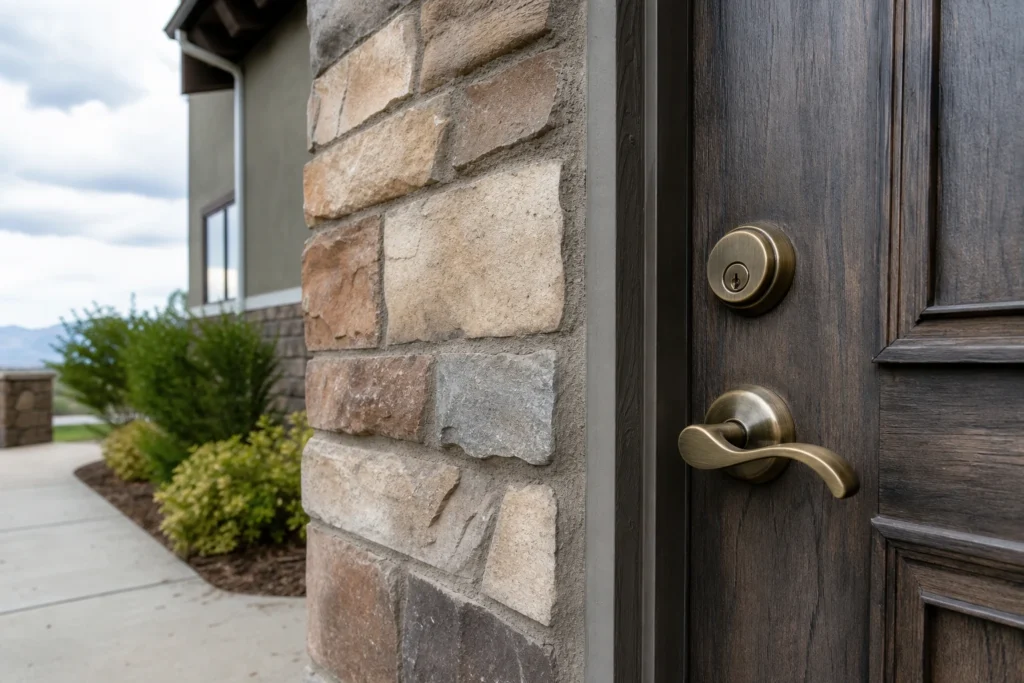
A jammed storefront latch at opening time, a key snapped in a deadbolt, a car that senses the fob but still will not open. In an emergency, the first minute shapes the next hour. Here is a behind-the-scenes guide to how emergency locksmith services typically work in 2026, plus the pro tips and pitfalls that speed things up or slow them down.
What the First Minute on the Phone Should Cover
Dispatch starts with triage for three reasons: safety, the right tools, and the fastest lawful entry. Expect to be asked to confirm your location clearly, describe the door or vehicle, and state the exact symptom. “Deadbolt turns but will not retract” points to a different plan than “key will not go.” The goal is to arrive with the right gear and a primary method that is likely to work without damage.
Photos help. A clear picture of the lock face, handle, and surrounding frame can reveal whether a deadlatch is present, if a smart lock has a hidden keyway, or if a storefront uses a mortise cylinder. That quiet detail often saves a second trip back to the van.
Have these basics ready before or during the call:
- The exact address and nearest landmark.
- A photo of the lock or door from the.
- Any working key or fob you still have access to.
- Proof you are allowed to enter, such as ID or authorization.
How Pros Choose Non-Destructive vs. Invasive Methods The first choice on site is method, and the bias is toward non-destructive entry. Picking, bypassing a latch where appropriate, decoding a cylinder, or energizing a smart lock’s backup port are common starting points. This is not about theatrics, it is about preserving hardware and avoiding the extra cost of replacement.
That bias shifts when evidence points to a mechanical failure. If a bolt sheared or a latch has collapsed into the door, continued picking wastes time. A technician will weigh drilling a cylinder, pulling a mortise, or removing a hinge pin only after non-destructive options have been ruled out by feel, sound, and visible clues. The call is judgment-based: the time already invested, the lock’s security grade, and your need to resecure the door afterward all factor.
Vehicles add another layer. Many late-model cars in 2026 use double-lock modes that disable interior handles and shielded linkages that resist fishing tools. Forcing a window gap risks paint, glass, and airbags tucked behind trim. This is why a specialist with the right air wedges, long-reach tools, and, when needed, programming equipment is the safer route. If your issue is vehicle related, review the scope of our Auto Locksmith services to understand what is typically addressed.
ID, Authorization, and Why That Pause Matters
In an emergency you want the door open now. A brief pause to confirm authorization protects you and the property. Industry standard is simple: matching ID to the address, a lease, a work order, or a quick verification from a responsible party. On commercial calls, that might include a call to a store manager or building contact. It can feel like a delay, but it is the safeguard that keeps bad situations from getting worse.
Commercial entries also change the technical plan. A misbehaving storefront cylinder tied to a mortise lock may be set in the door with a cam that determines function. Pulling the wrong component or drilling in the wrong spot can disable panic hardware or trap the door in an unsafe state. For a deeper walkthrough of scenarios like this, see our Commercial Locksmith page.
After Entry: Securing the Door Is Part of the Job
Getting inside is step one. Making sure the door closes and locks properly is step two. If a cylinder was drilled, a replacement and fresh keys are needed. If a latch was bypassed because of misalignment, a quick strike adjustment can prevent a second call tomorrow. On homes, rekeying to limit who can still access older keys is a common follow-up. You can review options that typically fall under Residential Locksmith work if you want to plan ahead.
Smart locks introduce their own aftercare. A weak battery can masquerade as a lock failure. A technician may recommend fresh batteries, a recalibration of bolt travel, or a firmware check if the model supports it. The guiding question is, “Will this door still work at 11 pm after the house settles and the weather changes?” If the answer is shaky, minor adjustments now save headaches later.
Common Pitfalls That Slow Everything Down
DIY attempts with prybars, wedges, or wire create hidden damage that complicates clean entry. A slightly bent frame changes tolerances and can force an otherwise pickable lock to bind. Viral tricks filmed on older cars trigger alarms or immobilizers on newer ones. If you tried something and it did not work, say so. That honesty helps a pro choose the next best move.
Vague directions are another time sink. Apartment or office complexes can be labyrinths at night. A door color, gate code, or a quick note about parking and building access trims minutes off the clock. So does clarity about any pets inside when the door opens and alarms that might sound on reentry.
Finally, surprises inside the door matter. A slab that swelled from weather, a deadbolt installed slightly off center, or a latch held by two loose screws can look like a lock problem from the. Once open, a small adjustment or reinforcement keeps the emergency from repeating.
If you need help now, reach out through our Contact Us page and share the details above. A clear call, a thoughtful plan at the door, and a quick security check after entry are the fastest route out of a lock emergency in 2026.