
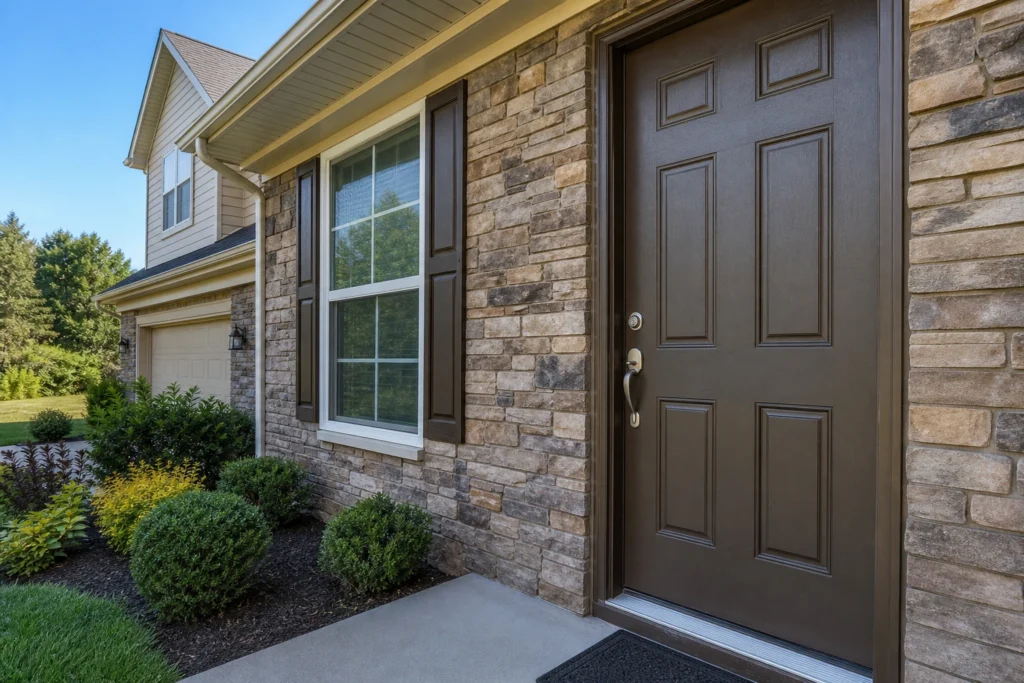
Locked out and searching for a trick that will not wreck your door? Most viral “hacks” are either outdated or only work on a narrow set of locks. Here are the myths that cost homeowners time and money in 2026, plus expert tips and clear pitfalls to avoid so you can get back inside without turning a minor mistake into a repair bill.
Myth 1: A credit card or hairpin will pop most doors
This worked on older spring-latch knobs with sloppy alignment. Many homes now use deadlatches and reinforced strikes that keep the latch from being slipped when the door is closed. Prying with a card can shred weatherstripping and bend the latch face, which makes the door stick later even after you are back.
A smarter first move is basic triage. Press the door inward while turning the knob to relieve pressure on a misaligned latch. If you can see a separate deadbolt thrown above the handle, no shim will help. Spend your energy on alternatives instead of grinding a plastic card into the gap.
Myth 2: A hard kick is cheaper than a locksmith
Kicks split jambs and push strike plates through soft wood. Many entries use 3 inch screws and box strikes that transfer force deep into the framing, so you can end up with a bowed frame and a door that never seals again. Even a “successful” kick often means paying for carpentry later.
If the door is jammed rather than locked, lift gently on the knob or pull the door toward the hinge side while turning. Binding caused by humidity or a sagging hinge sometimes releases with alignment, not force. If the lock is actually engaged, stop before you add structural damage to your day.
Myth 3: The app will always save you
Smart locks rely on power, proximity, and account access. Flat batteries, a disabled Bluetooth radio, or two-factor prompts you cannot complete from the porch will stop entry. Some models also enter a temporary lockout after repeated failed attempts, which only stretches the wait.
Check for a physical key override. If your smart lock has emergency battery contacts, a fresh 9V held to the terminals can wake it long enough to open the door, but only if your model supports it. Keep your account credentials handy and avoid hammering the app with repeated retries. Slow down, try once or twice, then switch to a backup plan.
Myth 4: Breaking a small window is faster and cheaper
A cheap pane is rarely cheap after cleanup, board-up, and a glass replacement. There is also real injury risk from shards and the chance of triggering an alarm. Unless there is an immediate safety threat inside the home, breaking glass turns a short problem into a multi-step repair.
If you keep a spare key with a neighbor, start that call sooner rather than later. For homes with connected garage doors, check if the interior door to the house is unlocked before forcing anything. Convenience, not brute force, is usually what gets you back inside safely.
What a professional actually tries first
A good locksmith starts by identifying the lock type, the door’s alignment, and the least invasive path. On many knob locks and some deadbolts, professional picking or bypass techniques open the door without damage. For smart locks, the first step is often power and alignment, then the key cylinder if present. Drilling is a last resort, reserved for failed mechanisms or high-security cylinders that cannot be picked on site.
If you want a sense of the options before you make a call, review our Residential Locksmith page and skim the scope of non-destructive entries common in house lockout services. You will see that most successful entries do not involve breaking anything.
Safe steps to try before you call
You do not need a toolbox to avoid the most common pitfalls. These quick checks prevent damage and sometimes solve the problem outright.
- Check every perimeter door and the garage-to-house door. Many lockouts end at a secondary entrance.
- Look for the deadbolt. If it is thrown, skip shimming attempts and save the door frame.
- For smart locks, replace or reseat batteries. If your model supports it, use the emergency power contacts once, then stop.
- Call someone with a spare. If nobody can help, set a time limit for DIY attempts to avoid escalating into damage.
Those four moves are the backbone of expert tips for house lockout situations. They keep you from crossing the line between harmless experimenting and expensive repairs.
Pitfalls that make a 5 minute lockout a 5 day hassle
Do not wedge the door with improvised tools. Bending the top of a door slab or scratching the glass to fish for an interior handle is a fast path to damaged weatherstripping and misaligned latches. Avoid lubricant sprays into keyways unless you know the product is safe for that cylinder. Some aerosols gum up pins and make professional entry slower.
Have your ID ready before you call for help. Proof of occupancy speeds verification. Share the lock brand or a quick photo if possible so the technician arrives equipped. If you want an overview of what can be handled in one visit, scan our Services to understand the range of residential entry solutions available in 2026.
A calm five minutes beats a frantic fifteen every time. If you are stuck at the door right now and want a fast, damage-free plan, reach out through Contact Us and we will guide you to the next best step.