
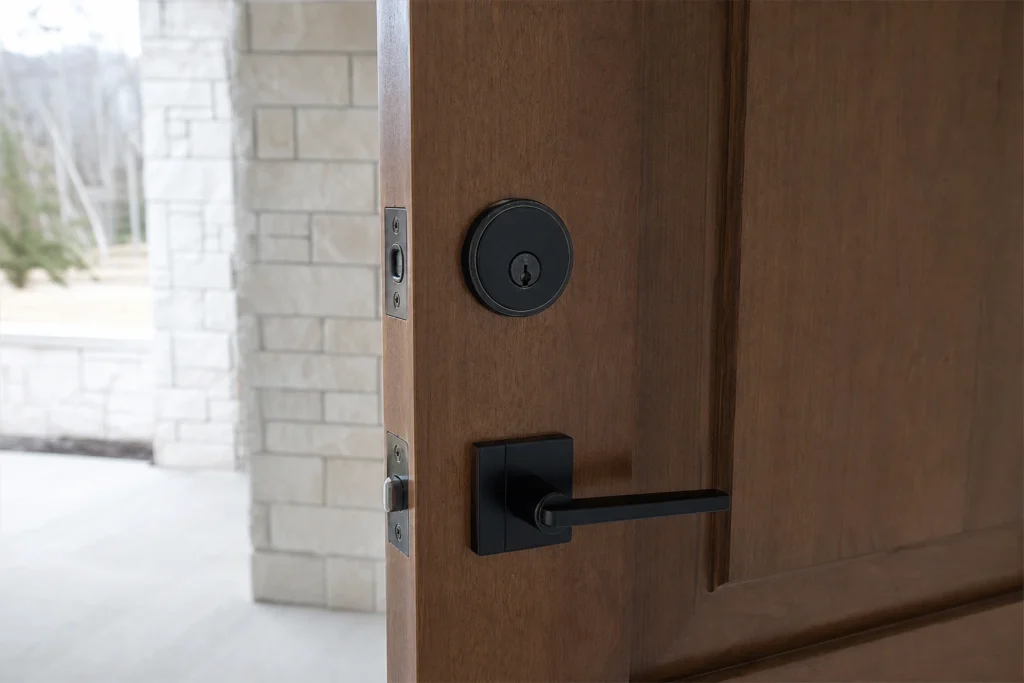
A lock that needs a shoulder bump to set the bolt is not “quirky,” it is misaligned. That grind you feel is metal fighting wood, and it only gets worse. If your hesitation is paying for lock installation services that look like a 20‑minute swap, you are not alone. The objection is fair: you do not want door damage, surprise add‑ons, or a smart lock that eats batteries. Here is a clear, no‑drama guide to what actually prevents those problems in 2026, plus professional lock installation tips and pitfalls so you can choose your next step with confidence.
The Real Objection: Why pay for a job that seems simple?
From the package, a deadbolt looks like two screws and a pretty faceplate. The catch is tolerance. A bolt that drags 1 to 2 millimeters will feel sticky, chew keys, and undermine the strike, which is the piece that resists a kick. Small misalignments also drain smart lock batteries because the motor fights friction every cycle.
The other hidden cost is the door and frame. Rushed drilling can blow out the cross‑bore on wood, warp a thin metal skin door, or chip a fiberglass edge that never quite looks right again. If you are installing into a steel jamb or a commercial frame, the wrong bit turns a quick task into hardened steel and frustration. Paying a pro is really paying for fit, alignment, and reinforcement that you can feel in the effortless turn of a thumbturn months later.
If you plan to DIY, aim for the same outcomes the pros chase: a door that closes cleanly on its own, a latch that centers in the strike without rubbing, and hardware that is tightened to spec without distorting the door skin. The tips below get you most of the way there.
Fit Beats Features: Where installs actually go wrong
Start at the frame, not the lock. Close the door until the latch touches the strike and watch the gap, also called the reveal, along the top and latch side. If the reveal is wider at the top or the latch side bows the door may be out of square. Shimming hinges or adjusting the strike is smarter than hogging out the latch hole, which weakens the faceplate area and makes future movement worse.
Next, verify hardware specs. Backset matters. Most residential doors are 2‑3/8 inches, but many are 2‑3/4 inches. Mixing them forces the latch tongue to miss the strike by exactly the amount you are off. Also confirm bore size. A standard lockset expects a 2‑1/8 inch cross‑bore and a 1 inch edge bore. For smart locks with bigger housings, the template is not optional. Skipping it leads to binding and crushed gaskets that invite moisture.
On security, the strike plate is where force transfers to the frame. Short screws grip only the soft jamb. Using 3 inch screws into the framing, when compatible with the door and code, greatly increases resistance to kicks and keeps alignment stable over seasons.
Professional Lock Installation Tips and Pitfalls
- Confirm the backset: 2‑3/8 or 2‑3/4. Mixing them guarantees misalignment.
- Check the hand of the door and swing before you unbox. Some latches are directional.
- Use a sharp hole saw with a guide. Dull bits burn wood and warp metal skins.
- Mark the strike with a dry‑erase marker or lipstick on the bolt face, throw the bolt, and read the rub. Adjust the strike instead of filing the latch.
- Replace strike screws with 3 inch screws into framing where compatible. Do not overtighten and twist the plate.
- For smart locks, ensure the bolt throws freely by hand with the door closed. Calibrate only after friction is zero.
Those small habits prevent the two most common callbacks: “the key feels gritty” and “the smart lock keeps failing.” If either symptom appears, stop and fix fit before you blame the hardware.
When DIY Becomes False Economy
Some installs look easy until you are halfway. Metal or fiberglass doors need step bits and gentle pressure to avoid tear‑out. Mortise locks, multipoint patio hardware, and commercial levers with clutch mechanisms are not weekend projects unless you already own the jigs. Frames that have shifted over time can require hinge shims or minor carpentry to set correct reveals before the lock will ever feel right.
There is also the system question. If you want several doors keyed alike, or you need to rekey existing cylinders to match a new deadbolt, a professional can repin to a key you already carry and verify that each door throws cleanly. If that sounds appealing, it is worth reviewing our Residential Locksmith page to see how security choices fit together across your home. For storefronts and offices, door closers, panic hardware, and steel jambs add variables that favor a planned approach. You can learn more on our Commercial Locksmith page.
Get Value From a Pro Without Surprises
You can reduce risk and avoid upsells by controlling the scope. Before any visit, take straight‑on photos of the door edge, the strike, and the current hardware, plus a picture of the full door closed to show the reveal. Share your goals, like keying multiple doors alike or preparing for a future smart lock, and ask for a total price that includes labor, hardware if supplied, and any reinforcement work.
During the visit, ask the technician to test the bolt with the door open and closed, confirm that the bolt throws without contact, and show you the final strike engagement. It is reasonable to ask what length screws were used at the strike and whether any hinge adjustments were needed. None of that is an upsell. It is verification that a lock meant to protect you is aligned with the door you use every day.
If you prefer to have a professional handle the work end‑to‑end in 2026, Lion Guard Locksmith provides residential and commercial lock installation services with a focus on clean fit and clear communication. If you are ready to talk through options or schedule a visit, reach out through our Contact Us page.