
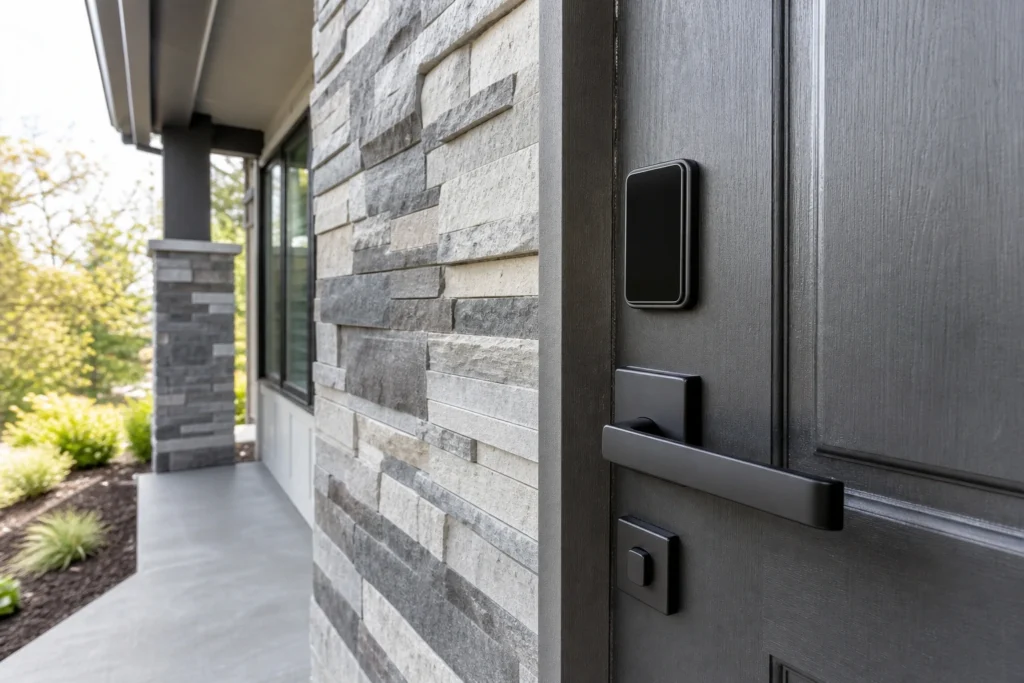
A deadbolt that fits your routine is just as important as one that fits your door. The first choice you face in 2026 is simple but decisive: keep a physical keyway or go fully key-free. That single decision drives how you handle lockouts, guests, power issues, and long-term maintenance. Here is a clear comparison so you can pick the path that will actually work in daily use.
Keyed Smart Deadbolts: Pros, Pitfalls, and Pro Tips
A keyed smart deadbolt gives you app control and codes, plus the insurance of a traditional key. If the batteries die at midnight, you still have a mechanical way. It is also easier to blend into an existing hardware set because you can rekey the cylinder to match other doors for one-key convenience. For homes with frequent visitors or family members who prefer a key, this hybrid model keeps peace in the house.
The tradeoff is key control. Every physical key you hand out can be copied, lost, or never returned. If you are upgrading the front door and leaving older keyed locks on side entries or the garage, track which keys open what so you do not accidentally create an easier entry point than your new smart lock. Another quiet pitfall is installation alignment. A bolt that rubs the strike adds drag for the motor, which drains batteries faster and makes the auto-lock feature unreliable.
Pro tips for keyed models:
- Rekey the cylinder as part of the install so old keys stop working. If you are consolidating to one key, plan that before unboxing. You can review residential options on our Residential Locksmith page.
- Test the bolt throw with the door open first. It should extend and retract smoothly by hand. Then test with the door closed. If it binds, adjust the strike before pairing the lock to the app.
- Store a labeled spare key in a secure lockbox, not under a planter. Codes can change, but a physical backup still matters.
Key-Free Smart Deadbolts: Pros, Pitfalls, and Pro Tips
Key-free models remove the keyway entirely, replacing it with a keypad or touch interface. The advantages are clear. There are no keys to track, nothing to pick, and access is managed with codes or your phone. For short-term guests, dog walkers, or contractors, generating time-limited or one-time codes keeps control tight and leaves no lingering metal in circulation when the job is done.
The catch is power and planning. Without a keyway, a dead battery means you need another backup path. Some models include external power contacts or other temporary power options, but you have to know where they are and how to use them before you need them. If you rely on auto-lock, confirm the door closes consistently in all weather. A swollen door that needs a shove will defeat an auto-lock motor and leave you partially latched.
Pro tips for key-free models:
- Set a dedicated “manager” code that only you know. Use separate, shorter-lived codes for guests and services.
- Enable low-battery alerts and replace batteries as a set. Keep a fresh pack stored near the door.
- Practice the out-of-power procedure from the manual so you are not learning it on the porch at night.
Install Right the First Time: Small Details That Make or Break It
Both options live or die on the same fundamentals. Bore size, backset, door handing, and strike alignment sound like small details until your lock grinds, chirps for low battery every month, or fails to throw the bolt fully. A clean, centered install keeps the motor’s workload light and the lock dependable. If your existing deadbolt hole is out of round or the edge bore is off, correct that before mounting the smart hardware.
Connectivity is another quiet tripwire. Whether you pick keyed or key-free, make sure the lock’s connection method fits your home. If it uses Bluetooth only, check how you will manage remote access. If it uses a plug-in bridge or hub, plan an outlet and spot for that device that stays powered and within range. Do the pairing after the mechanical install is confirmed smooth, not before. If you decide you would rather have a professional handle both fit and setup, you can find options on our Services page.
Quick Pre-Install Checks
- Confirm the door and frame alignment. The latch should center in the strike without lifting or pushing the door.
- Measure the existing bore. Most modern deadbolts expect a 2-1/8 inch hole and a 1 inch edge bore.
- Decide now: keyed or key-free. That choice affects rekeying, code strategy, and your lockout plan.
How to Decide for Your Home
Pick keyed if you want the safety net of a physical key and plan to rekey other doors to match. It is a good fit for households with mixed comfort levels around apps and codes, or for doors that see battery drain risk from imperfect alignment. Pick key-free if you want tight control over who enters and when, no keys in circulation, and a clear plan for battery management and power backup.
Either way, the goal is daily reliability, not just a successful install day. If you want help choosing hardware or prefer a pro fit that addresses alignment and setup in one visit, reach out through Contact Us.