
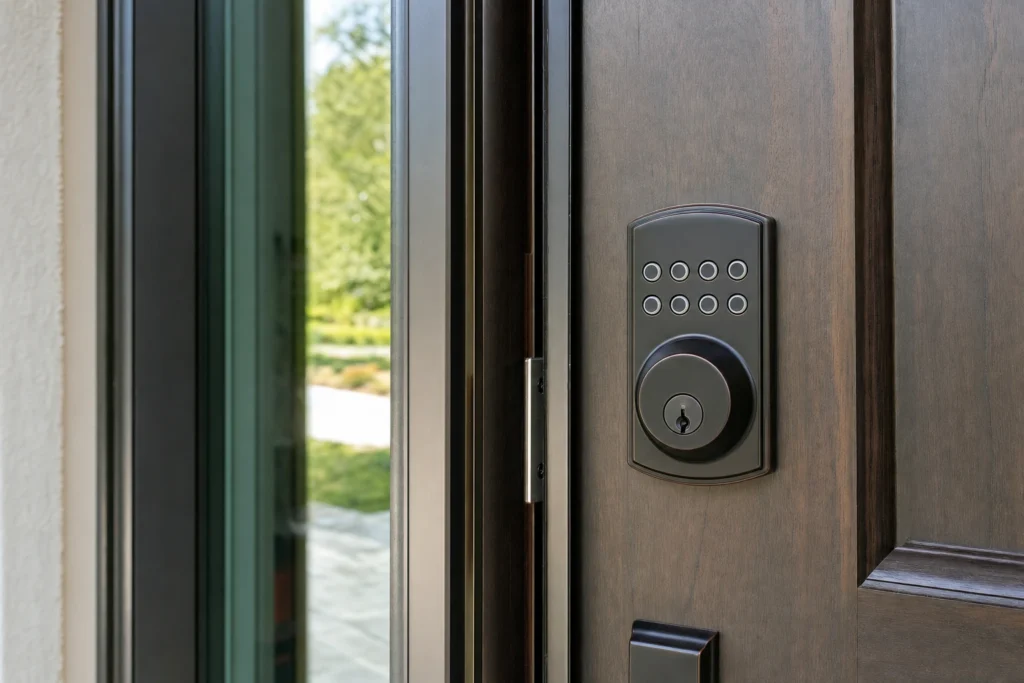
A deadbolt installed two millimeters off center can feel sticky at first, then start chewing up the key, and eventually leave you forcing the door late at night. That tiny misalignment also weakens strike engagement, which is what actually resists a kick. If you are weighing DIY against professional lock installation services, the hesitation is understandable: why pay for something that looks simple on the shelf? The short answer is that security hardware works only as well as it is fitted, and fitting is where most costs or savings show up.
The Real Cost of “I’ll Just Install It Myself”
On a straightforward door, drilling a new bore or swapping a lock can seem like a 20‑minute job. The surprises start with details like backset length, door thickness, latch orientation, and strike alignment. A deadbolt drilled for 2‑3/8 inch backset will not center correctly on a door already bored at 2‑3/4. A hollow metal frame can deform if screws are overtightened. Even a solid wood jamb needs longer screws to tie the strike into framing, or the best lock will not matter.
None of that means you cannot do it. It does mean the fastest path is planning the parts and steps with precision. A common DIY outcome is two trips to the store, a return because the latch does not match the prep, and a call for help after the door will not latch cleanly. That stack of small costs quickly exceeds the difference between DIY and a clean, first‑time installation.
“Will a Pro Just Upsell Me?”
A fair concern. Hardware aisles are full of add‑ons, and nobody wants to be pressured into buying more than they need. The solution is to control the scope. Ask for options labeled by lock grade and function, not by brand hype. For example, Grade 1 offers the highest durability, Grade 2 is common for homes and light commercial, and Grade 3 is entry level. Functions matter too: entry, storeroom, classroom, or privacy each behaves differently. Request a like‑for‑like option, a durability upgrade, and a security upgrade. With that side‑by‑side, you can choose based on risk and budget.
If you are browsing services, you can review our residential locksmith services and our commercial locksmith solutions to see typical lock types and use cases without any sales pressure. The point is not to buy the most, it is to buy what matches how the door is used.
Do You Need New Locks or Just a Rekey?
If the hardware is in good shape and you simply want new keys, rekeying is often the most cost‑effective path. Rekeying changes which key operates the lock without replacing the entire assembly. It is the right move after a move‑a lost key, or a staffing change when the lock body is still solid.
Replacement makes sense when you need a different function, a higher grade, a new finish, or the existing set is worn or damaged. Businesses sometimes choose restricted key systems to control duplication and set clear authorization. A professional should explain these options plainly and tell you when rekeying meets the goal so you are not paying for new hardware you do not need.
Smart Locks, Keypads, and Access Concerns
Another hesitation is reliability. Will a smart lock fail during a power outage? The practical answer is to choose models with a keyed override and to keep fresh batteries. Door prep still matters: if a smart deadbolt binds because the bore is not plumb, the motor strains and battery life plummets. The strike plate still needs robust screws into framing, because software does not stop a boot.
For businesses, electrified hardware, readers, or keypad locks introduce code and door‑rating considerations. A contractor should confirm any fire‑rated door remains compliant, and that exit hardware functions as intended. The goal is convenience without compromising life safety or durability.
How Much Downtime Should You Expect?
Homeowners often picture a door out of service for half a day. In practice, a simple cylinder swap or deadbolt replacement is typically brief, while fresh installations, mortise locks, or multi‑point hardware take longer. For offices or retail, the best plan is staging work after peak hours or rotating doors so operations continue. A contractor should test every door for smooth latch engagement, verify keys, and clean up debris so you are not left troubleshooting after they leave.
A Short Pre‑Install Checklist You Can Use
Before any work starts, a clear, written scope prevents surprises. Ask for the following in writing so you know exactly what is being installed and why:
-
• Lock grade and function: for example, Grade 2 entry or Grade 1 storeroom.
-
• Handing, backset, and door thickness: ensures parts match your door prep.
-
• Strike and reinforcement details: including screw length into framing.
-
• Keying instructions: new keys, rekey to existing, or master key structure.
-
• Finish and style: so replacements match other doors.
-
• Warranty terms: for both hardware and workmanship.
These details let you compare apples to apples and keep the conversation focused on outcomes rather than brand names alone.
If you decide professional lock installation services are the right fit, start by browsing our full list of locksmith services, or reach out through our commercial locksmith or residential locksmith services pages to get your questions answered before you commit.