
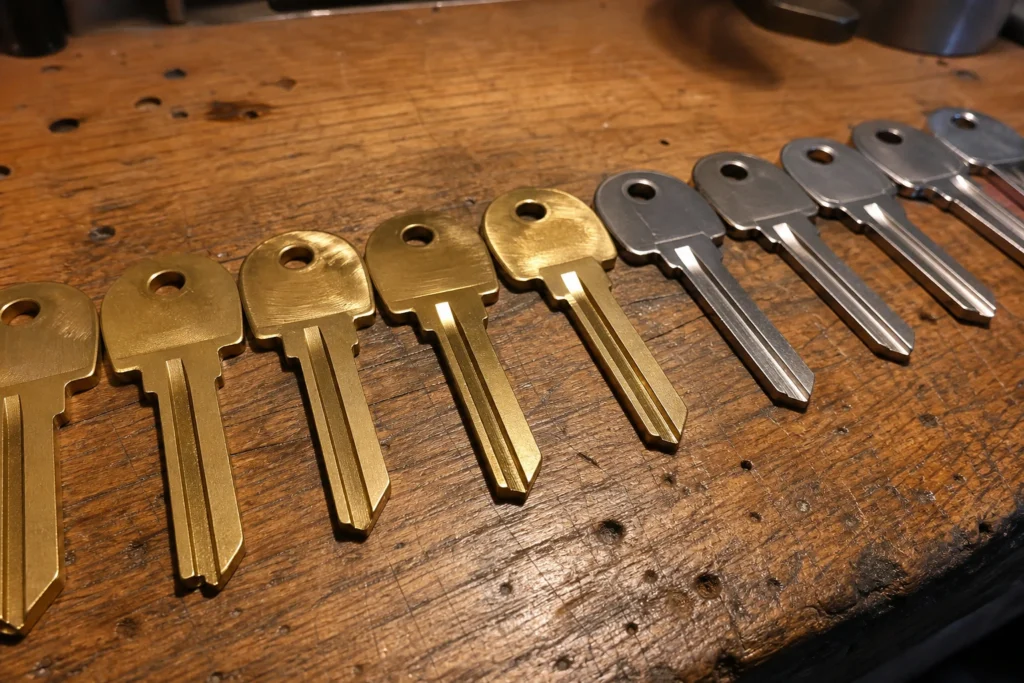
Alpharetta’s closing calendar fills fast from late April through July. Keys pass between agents, contractors, and cleaning crews, then someone remembers a garage remote at the last minute. Rekeying gives you a clean reset in 2026 so only the new keys you approve still work, without replacing good hardware or waiting on backordered parts.
If you are taking possession this week, planning a tenant turnover, or wrapping a renovation, use this walkthrough to line everything up and keep access tight from day one.
What Rekeying Actually Changes
A traditional pin tumbler lock accepts a new key pattern when the internal pins are rearranged inside the cylinder. Rekeying replaces those pins to match a fresh key, which instantly renders all previous copies useless. The locks and handles on your doors remain in place, which is why rekeying is usually faster than a full swap and easier to schedule during a busy Alpharetta move week.
There are a few useful options baked into this choice. You can have multiple locks keyed alike so one key runs the front door, back door, and garage entry, or keep a separate key for spaces like a short‑term rental unit or a home office. Businesses often ask for a simple master key setup that lets managers carry one key while individual doors still accept unique keys. If you want help pairing rekeying with other upgrades, see our overview of residential locksmith services or explore commercial locksmith solutions.
A Practical Walkthrough for Alpharetta Move‑Ins and Turnovers
- Pre‑visit planning: You make a simple door list, noting every lock to include. Think front, back, side, garage, and any outbuildings. If there is a keypad deadbolt, list that too.
- Site check and scope: On arrival, a technician verifies which locks stay, which get rekeyed, and whether anything is worn or misaligned enough to recommend replacement instead.
- Cylinder work: Each lock is removed or serviced in place. The cylinder is opened and re‑pinned to match the new key. If you chose to key doors alike, they are all pinned to the same profile.
- Key control setup: New keys are cut and labeled. If you selected a small master key system for an office, pins are arranged to allow both individual and master access where planned.
- Testing and adjustments: Every door is tested from inside and. Minor strike or latch adjustments are made so the new key turns smoothly and the bolt seats fully in the frame.
- Handover: You confirm the final key count, test each door yourself, and store one key in a safe place separate from your daily ring.
That is the whole job in a nutshell. Most homes or small offices finish in a single visit, and you keep your existing hardware, finish, and door prep.
Decisions You Will Make on the Day
First, decide where convenience beats separation. Many Alpharetta homeowners prefer one key for front, kitchen, and garage entries, with a distinct key reserved for a basement apartment or accessory suite. For businesses, consider which doors truly need one‑key access and where it is smarter to keep a unique key, like IT rooms or inventory spaces.
Next, look at condition, not just keys. If a deadbolt sticks before the rekey, a technician may suggest a strike plate tweak, longer screws in the frame, or a replacement if wear is excessive. Summer humidity around North Point and along the Big Creek Greenway can make older doors swell slightly, which shows up as a key that turns but a bolt that hesitates. Tiny alignment fixes during testing often solve it.
Finally, think about future copies. If you frequently lend keys to cleaners or dog walkers, set a rule upfront for how many copies exist and who holds them. For offices, keep a simple key log, even if you run a small master setup.
How to Prep So the Visit Goes Faster
Five minutes of prep saves a lot of back‑and‑forth. Walk the property and count cylinders, including side gates and storage rooms you might forget while unpacking. Clear access around doors so a technician can work without moving boxes or step stools. If you have an alarm, know the disarm code so doors can be opened and closed repeatedly without a flurry of alerts.
For gated neighborhoods and mixed‑use buildings in Alpharetta, share entry or parking details ahead of time. A gate code, concierge desk contact, or loading zone note keeps the schedule on track. If you are pairing rekeying with other home security changes, you can browse related options on our services and line them up for the same visit when practical.
Homes vs. Businesses: Same Goal, Different Rhythm At a home, the priority is a clean reset before the first night’s sleep. Keyed‑alike setups cut down on pocket clutter, and a quick check of door alignment makes the new keys feel smooth immediately. Short‑term rental hosts often keep guest doors separate while keeping utility rooms and owner closets on a different key.
For a retail shop or office off Mansell or Windward, downtime is the enemy. A straightforward plan divides public, staff, and restricted doors, sometimes with a simple master key so one person can open and close efficiently. If staffing changes or a vendor loses a key later in 2026, rekeying those affected cylinders keeps the rest of your system intact. For more planning ideas, see our page on commercial locksmith solutions.
Plan Your 2026 Rekey in Alpharetta
If this is your closing week or a tenant change is on the calendar, set your rekey for the day utilities switch on and walk in with fresh keys you control. If you are ready to schedule or have questions about which doors to include, send a quick note through our Contact Us page and outline your door list to get started.