
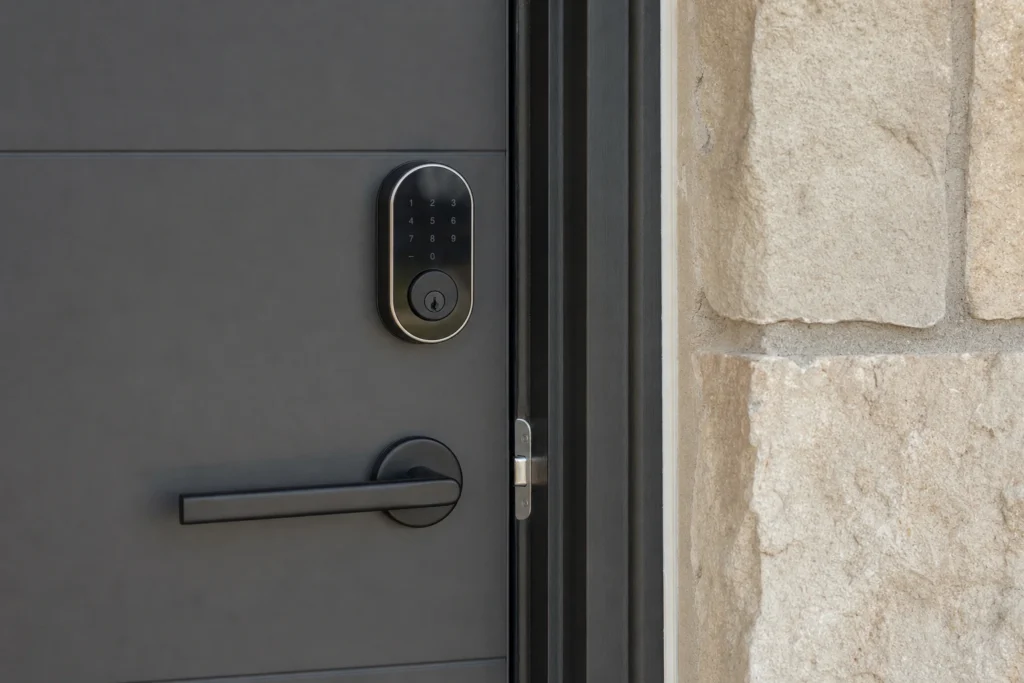
A new smart deadbolt can go in with a screwdriver, yet a misaligned strike plate or Wi‑Fi setup glitch can still leave you locked out at midnight. The key decision is not just which lock to buy, but whether you install it yourself or bring in a professional. Here is a clear comparison to help you choose the path that fits your door, your schedule, and your security goals in 2026.
DIY Smart Lock Installation: Control and Savings, With Caveats
Doing it yourself puts timing and cost in your hands. You can unbox the lock today, follow the app prompts, and keep your existing hardware if it lines up. For straightforward doors that already latch cleanly and have standard prep, DIY can be smooth. You also get the satisfaction of understanding every setting, from auto‑lock timers to guest codes.
In the real world. A door that scrapes the frame, an out‑of‑square jamb, a nonstandard backset, or a metal door with an uncommon thickness can complicate the job. If the bolt binds by even a few millimeters, the motor can strain and drain batteries early. Account creation, Wi‑Fi or Bluetooth pairing, and firmware updates add another layer of complexity. None of these are impossible, but they can stretch a one‑hour plan into an afternoon.
If you go DIY, expect to handle these tasks:
-
• Door prep check:confirm thickness, backset, and latch alignment.If you go DIY, expect to handle these tasks: – •Door prep check: confirm thickness, backset, and latch alignment.
-
• Mechanical fit: seat the deadbolt so it throws freely with the door closed.
-
• Network setup: pair the lock, update firmware, and test remote features.
-
• Access management: create owner accounts, guest codes, and backups.
A quick note on security: many smart locks include a keyed cylinder. If you want one key for the whole house, rekeying is a separate step. Also decide how you will handle battery changes and lockouts. A hidden spare key or a trusted contact with app access can save you stress later.
Professional Installation and Ongoing Services: Fewer Variables, Deeper Setup
A professional looks at the door as a system. Before mounting the keypad, a contractor should confirm the door’s reveal, adjust hinges if needed, and ensure the bolt glides without motor strain. If the strike plate needs reinforcement, a contractor should use longer screws into the framing for more resistance against force. The result is a lock that not only connects to your phone, but also engages a solid, well‑aligned latch every time.
Beyond the mechanical fit, professional setup can cover calibration, user roles, and practical policies. For example, short‑term rental hosts often need expiring codes and audit trails, while a busy family might prefer a mix of fingerprint access and a master code. A professional can help you enable features you actually use, disable ones you do not need, and document a simple plan for battery replacement, code rotation, and emergency overrides.
If you need help at home, see how smart access fits within our broader Residential Locksmith services. Business managers evaluating door schedules, shared entries, or access logs can review our Commercial Locksmith support. For both, you can request professional smart lock installation and repair services that match daily use, not just the unboxing tutorial.
Which Route Fits Your Door and Your Day?
Choose DIY if your door already closes cleanly, you are comfortable with apps and device setup, and you have time to fine‑tune alignment. This route makes sense for interior doors, back entries that already latch well, or a first trial run on a secondary entrance. Plan a safety net for lockouts and keep fresh batteries on hand.
Choose professional help if the door has visible alignment issues, you are outfitting your primary entry, or you manage access for multiple people. Businesses, rental hosts, and households with frequent visitors benefit from structured user management and clear procedures. Professional installation is also a good idea for metal doors, older wood doors with past repairs, or any entry where you want reinforced hardware along with smart features. If local regulations apply to your building, verify requirements before finalizing hardware.
What You Actually Get With Each Choice
DIY typically means speed and direct control. You decide how the app is set up and you can change settings anytime. The main risk is missing hidden friction in the door that only shows up after a few weeks of use, like batteries draining faster than expected or the bolt sticking in cold weather. You will also be your own support if an update changes behavior.
Professional service compresses the unknowns. A contractor should test for binding with the door fully closed, reinforce weak points, and confirm that auto‑lock, keypad, and mechanical key override all work in concert. You also get a human plan for handoff: who has owner access, how guest access is handled, and what to do if a phone is lost. If you want a single point of contact for questions later, that is the biggest practical difference.
How Lion Guard Locksmith Can Help You Decide
Smart locks are most effective when the hardware, door, and app are tuned to each other. Lion Guard Locksmith offers smart locks locksmith services that cover model guidance, installation support, and help if a lock needs attention later. If you prefer a partner to set things up and show you how to manage users, you can request professional smart lock installation and repair services through our team. Homeowners and businesses alike can start with a conversation about goals, door conditions, and the features that matter most.
If you are weighing DIY against professional help, the fastest next step is a quick consult. Tell us about your door and what you want the lock to do, and we will outline clear options. Reach out through our Contact Us page to get started.