
Your phone chirps at 2 a.m. Again, another motion alert that shows nothing useful. Meanwhile the back slider rattles if you lift it, the side door only locks on the second try, and you are not sure what to fix first or what it will cost. The hardest part is deciding where your money and time make the biggest dent in risk.
This is a practical guide to home security tips that focus on the three things you asked about in 2026: costs, timelines, and choices. Start with the frustration you feel, then sort upgrades into work you can do now, work that needs a pro, and work that can wait.
What Actually Drives Cost
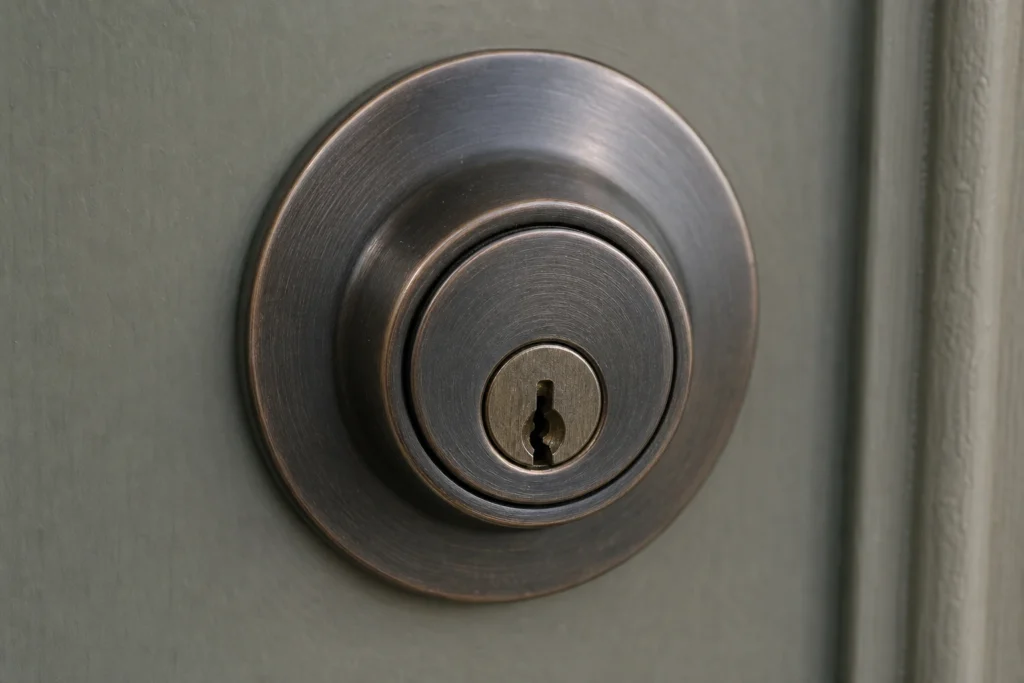
You do not have to buy a whole “system” to get real security gains. Costs generally fall into three buckets: durable mechanical upgrades, access control, and monitoring. Reinforced strike plates, longer screws, and properly fitted deadbolts are low-friction wins that protect against forced entry every single day. Access control choices, like keyed high-security cylinders or smart deadbolts, add convenience and auditability but vary widely in price based on brand, finish, and feature set. Monitoring can be as simple as a door sensor or as complex as a multi-camera setup, but remember that hardware is only half of it. Subscriptions and battery replacements are real, ongoing costs.
Labor is the quiet variable. A deadbolt install on a door that is drilled correctly and hangs plumb is fast. The same lock on a door with a warped frame, a shallow mortise, or a loose hinge needs alignment work first. That extra time is worth it because misalignment becomes recurring cost, from chewed keys to smart locks that burn through batteries. If you are weighing DIY against hiring help, compare the price of parts plus your time with the value of a clean, warrantied fit. You can explore options on our residential locksmith services page when you are ready to plan.
Timelines You Can Actually Plan Around
In most homes, you can sequence upgrades so that important gains happen quickly. Mechanical fixes like replacing a tired deadbolt, swapping in a reinforced strike, or rekeying cylinders are often completed in a single visit. The time impact is typically measured in minutes per door when the door is in good shape, and longer when hinges, weatherstripping, or the frame need attention.
Smart locks add another layer. The physical install may be quick, but you should allow extra time for pairing, code setup, and a short live test to confirm smooth bolt throw. If you plan to connect to a hub or share codes with family, budget a little more time to train the household so no one is locked out on day one. Special-order hardware or finishes can add days for shipping, so if curb appeal matters, pick in-stock options to keep the schedule tight.
If you are coordinating multiple entries, group work by door type. For example, do all solid-core exterior doors first, then address sliders and French doors that may require different hardware or alignment steps. A small home can often move from assessment to install within a few days. To start that process, send a quick note through our Contact Us page with the number of doors and your preferred timeline.
Choices That Matter More Than Brand Names
Two decisions shape both cost and daily use. First, pick your access method. A keyed deadbolt with a quality cylinder is simple, durable, and inexpensive to maintain. A smart deadbolt trades keys for codes and app control, which is great for guests and contractors, but depends on clean alignment and batteries. If you choose smart, decide whether you want a visible keyway as a backup or a fully key-free model. That single choice drives how you handle dead batteries and lockouts.
Second, choose your reinforcement level. A well-fitted deadbolt is only as strong as the wood it engages. Look for heavy-duty strikes with long screws that anchor into the stud and hinges that are tightened and secured. Door material and frame condition are just as important as the lock itself. If you are unsure, a short on-site assessment by a locksmith can show you where a small reinforcement produces an outsized gain.
If you want an at-a-glance overview of everything we handle beyond locks, review the lineup on our Services page and use it as a checklist while you plan.
A 48-Hour Plan To Move From Worry To Done
- Walk the perimeter in daylight: tug each door, look for daylight around the slab, and try every lock twice. Note any sticking, rattling, or spongy bolt throw.
- Prioritize entries: front door, garage entry, and any side door hidden from the street come first. Sliders and windows follow.
- Decide on access: keep keys and rekey, or go key-free on the most-used door. Pick in-stock hardware to avoid delays.
- Book the work: schedule mechanical fixes first so existing or future smart locks operate smoothly. Confirm that installation will include alignment checks and basic reinforcement.
This sequence keeps you out of analysis paralysis. By focusing on fit and force first, then access control, you avoid paying twice for problems that a careful install would have prevented.
The Bottom Line For 2026
If a door needs a hip-check to lock, that is not a quirk, it is a cost waiting to happen. The fastest savings come from basic alignment and reinforcement, followed by a clear choice on how you want to manage access. If you want help prioritizing, Lion Guard Locksmith provides residential and commercial support, including assessments and installations. Share your short list through Contact Us, and we will help you turn a noisy alert feed into a home that feels secure every time the door closes.