
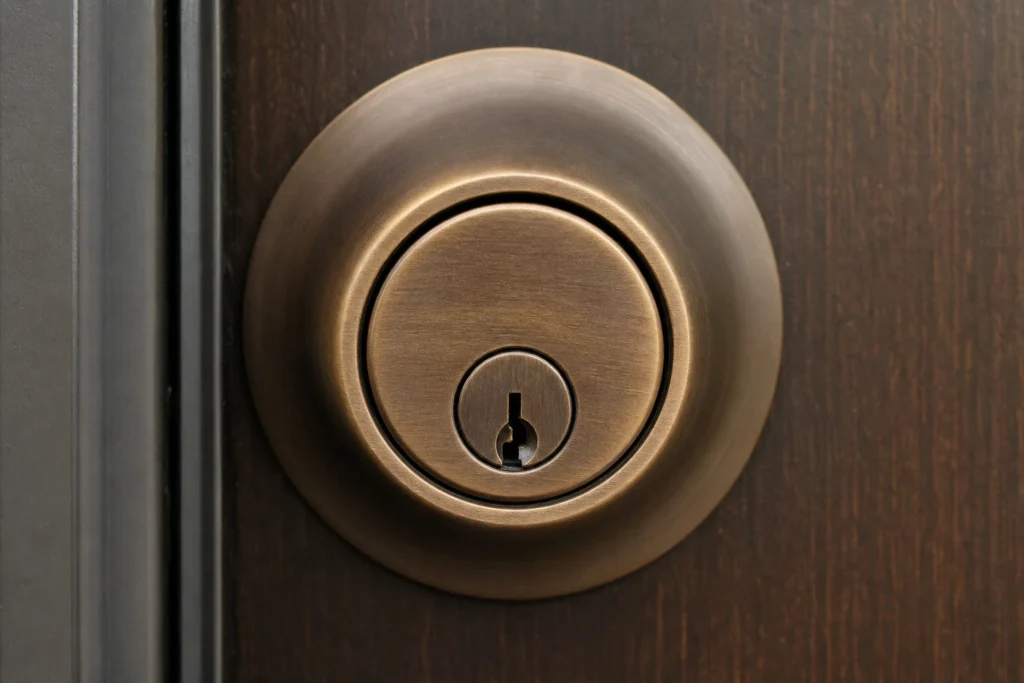
A key shears off in the deadbolt. The shop door stays latched five minutes before opening. You need entry, and you need it without turning a small problem into a larger repair. In 2026, most emergency locksmith calls follow a predictable sequence. Knowing the steps, and what shapes each judgment call, helps you shave minutes off the timeline and avoid unnecessary damage.
Set up the first minute to save the next hour
Before you dial, do a quick safety check. If anyone is locked inside and in distress, call emergency services first. If the scene is calm, focus on clarity. State your exact location in a way that a map app will understand, then note landmarks or gate codes that matter in real life. If this is a business, say which entrance is affected and whether the building is occupied.
Gather the details you can see without forcing anything. For a home, that might be the lock brand stamped on the faceplate, whether the key is bent or broken, and if the door recently dragged on the frame. For a business door, note if it is a glass storefront with a mortise lock, a panic bar on a rear exit, or a metal door with a latch guard. Clear input helps dispatch send the right tools and avoid destructive options.
What dispatch will ask, and why those questions matter
Triage on the phone is about safety, the problem type, and the fastest lawful entry. Expect to confirm location and a callback number, describe the lock or device involved, and explain any access quirks like gated parking or a security desk. You may also be asked to describe proof of your right to enter, for example an ID with the address for a home, or a business badge and the ability to reach a manager.
Those questions are not bureaucracy. They decide who to send, which tools go in the van, and whether extra hardware should be staged. A snapped key in a residential cylinder calls for different techniques than a storefront mortise body that will not retract. If you want context on the types of doors and hardware involved, review our pages for Residential Locksmith and Commercial Locksmith.
On-site: verification, diagnosis, and non-destructive entry first
Arrival usually starts with a quick verification of your authority to enter. A technician may ask to see ID that matches the address, confirm your role at the business, or request a phone confirmation from a property owner. This protects everyone involved and is standard practice.
Next comes a fast diagnosis at the door. The technician checks the door alignment, the condition of the strike, and the lock’s behavior. The first aim is almost always a non-destructive method, such as picking, decoding, or bypassing a latch that is misaligned. If the cylinder has failed internally or the mechanism is jammed beyond recovery, drilling and replacing specific components may be discussed as a last resort. The judgment call balances time, cost of parts, and the goal of leaving the door working without a second visit.
After entry: fix what caused the problem, not just the symptom
A clean open is not the finish line. The next few minutes determine whether the problem returns. If a door was sticking on the frame, a minor hinge or strike adjustment can be the difference between a normal close and a repeat lockout. If a key broke, the root cause may be a worn key or a cylinder that is binding. For businesses, hardware that complies with your life-safety requirements must still latch and open properly after the fix.
At this point, you will typically review options like rekeying existing cylinders so old keys no longer work, replacing a failing lock body, or planning follow-up upgrades outside of emergency hours. If you are mapping longer term improvements at your property, our Commercial Locksmith and Residential Locksmith pages outline common paths without the pressure of an urgent call.
The emergency walkthrough in seven steps
- Safety check, then call for a locksmith if the scene is secure.
- Give precise location, access notes, and the lock problem in plain terms.
- Prepare proof you have the right to enter, such as ID or business authorization.
- Clear the work area, turn on lights, and keep pets or foot traffic away from the door.
- Approve the entry method and expected scope before work begins.
- Test the door and lock together after entry, not just the key in the air.
- Decide on immediate security steps, then schedule non-urgent upgrades in normal hours.
Factors that can change the plan
Some conditions add time or require different tactics. High security cylinders, reinforced strike plates, and double-cylinder deadbolts increase resistance to bypass, which is good for security but slower in an emergency. Electronic keypads and access control systems can enter lockout modes after repeated attempts, and the safest route is to work with the hardware rather than against it. On commercial doors, panic hardware and storefront mortise locks have internal parts that must be set correctly after the open, or they can relatch in a failed state.
Your role in these moments is to provide accurate information, approve the method that fits your risk tolerance, and plan the next step that keeps the space secure after everyone leaves. A few calm decisions early will usually cost less than a fast guess that needs rework.
If you need help now or want to be ready before the next urgent moment, reach us through Contact Us and a team member will guide you through the next step.