
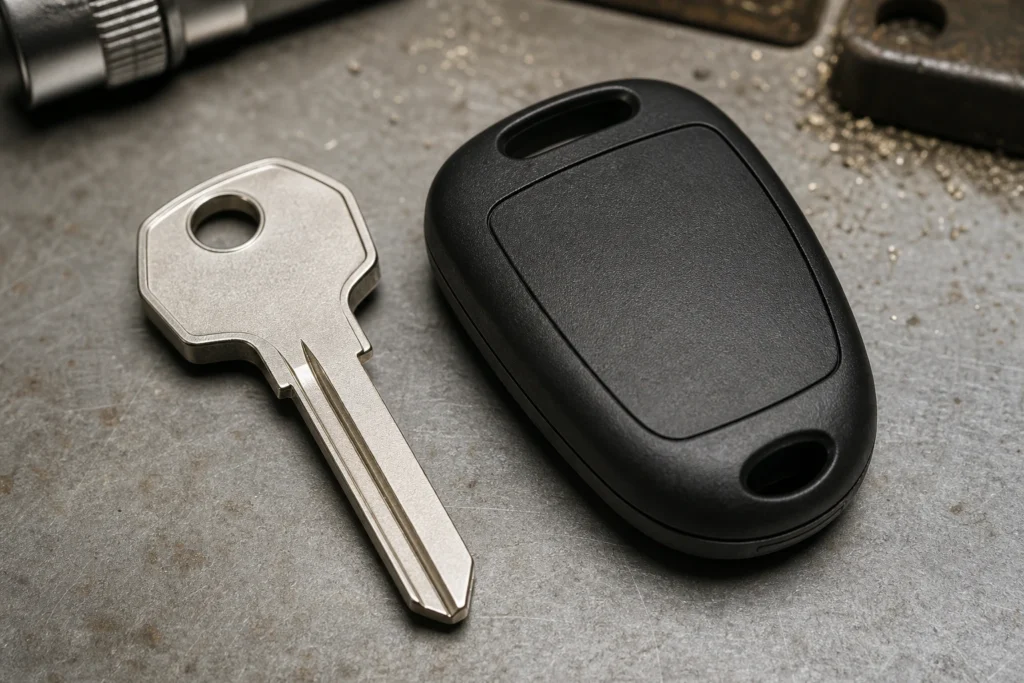
A key that turns without waking the dash, a start button that blinks, or a wheel that will not budge are not random problems. They are evidence. Read those clues correctly and you can predict your ignition repair cost tier, the likely timeline, and the smartest next step before you call anyone.
In 2026, Ignition Repair Services often live at the intersection of worn hardware and picky electronics. The most affordable fixes usually reveal themselves early if you slow down, look for specific signals, and avoid forcing the key or hammering the button.
Read the Evidence That Sets Your Price Bracket
Start with the feel of the key and the behavior of the cluster. A gritty key turn, a key that will not reach the final position, or a key that pulls out while running all point to mechanical wear in the lock cylinder and key blade. Those repairs tend to be the least invasive and, when parts are on hand, can often be handled in a single visit. A technician may rekey or replace the cylinder and cut a key to the original code to restore smooth operation.
If the key or button feels normal but dash lights stay dark or flicker, look at electrical inputs. A failing ignition switch, a weak brake switch on push-to-start cars, or a steering column wiring fault can block the crank signal. These jobs vary because access differs by model, but they usually involve testing, targeted part replacement, and verifying that the correct signals reach the starter circuit and body control module.
A third pattern is security-related. If you see a key or immobilizer icon, the car may not be reading the transponder chip or fob. That can stem from a damaged key, a failed antenna ring or proximity sensor, or a control module that lost programming. These fixes can be quick when a working spare is available, or longer if modules need to be paired to the vehicle. This is the tier where timelines stretch if parts must be ordered or programmed.
Cost Drivers You Can Influence
Proof is power here. Having a working spare key or fob can keep you in the most affordable path because it lets a technician compare signals, confirm immobilizer function, and, in some cases, clone credentials without replacing modules. If you have no working key, the repair may require pulling codes, accessing immobilizer data, and cutting and programming from scratch, which adds time and steps.
Parts choices also shape the price. An original lock cylinder keyed to your existing key keeps your door and ignition on one key, but may cost more than a universal replacement. Aftermarket electronic switches or push-button assemblies can be cost-effective on some models and risky on others because of sensitivity to voltage drops and firmware versions. Ask for options and the trade-offs for your specific car.
Fast Timelines vs. Delays Same-day outcomes are common when the fault is limited to the lock cylinder, the key blade, or a straightforward ignition switch. Those jobs revolve around physical access, part swap or rekey, and a quick function check. Many vehicles allow these repairs without removing the entire steering column, which saves time.
Delays enter when software and parts availability get involved. Security pairing on late-model immobilizers, steering lock module replacement, or sourcing a cylinder keyed to your VIN can add wait time. If your car needs a unique module or a calibrated column component, plan for scheduling and programming time in addition to the actual wrench time.
What to Tell the Technician for a Solid Quote
Clear, specific details let a pro give you a tighter estimate on both affordable ignition repair costs and timelines. Before you call, gather a few facts.
- Vehicle year, make, model, and engine size.
- Exact symptoms at the moment of failure and the day before.
- Any warning icons on the dash, especially key or lock symbols.
- Whether the steering wheel is locked and if the shifter is in Park.
- Battery age and any recent jump-starts or accessory installs.
- How many keys or fobs you have, and which ones still work.
Photos of the key, the cylinder face, and the dash at “on” help. A ten-second video showing the cluster and start attempt is even better. This evidence cuts guesswork, narrows the parts list, and can keep you in the quicker repair lane.
Choose Your Path: Repair, Replace, or Reprogram
A worn lock cylinder often presents a choice: rekey and reuse the housing, or replace with a new cylinder. Rekeying preserves your existing key for doors and trunk, which is convenient. Replacement may be smarter if the housing is cracked or if the wafers are severely worn. On electrical faults, a targeted switch replacement beats replacing whole assemblies unless heat damage or water intrusion suggests broader risk.
For security faults, reprogramming is the least invasive when modules are healthy. Replacement becomes necessary when a steering lock, reader coil, or body module fails self-tests. A good process starts with reading fault codes, proves the bad actor with live data, then chooses the lightest fix that restores reliable starts.
If you want help sorting options, browse our Auto Locksmith solutions and the broader lineup on our Services page. If you are ready to talk through your evidence and get a plan, reach out through Contact Us.