
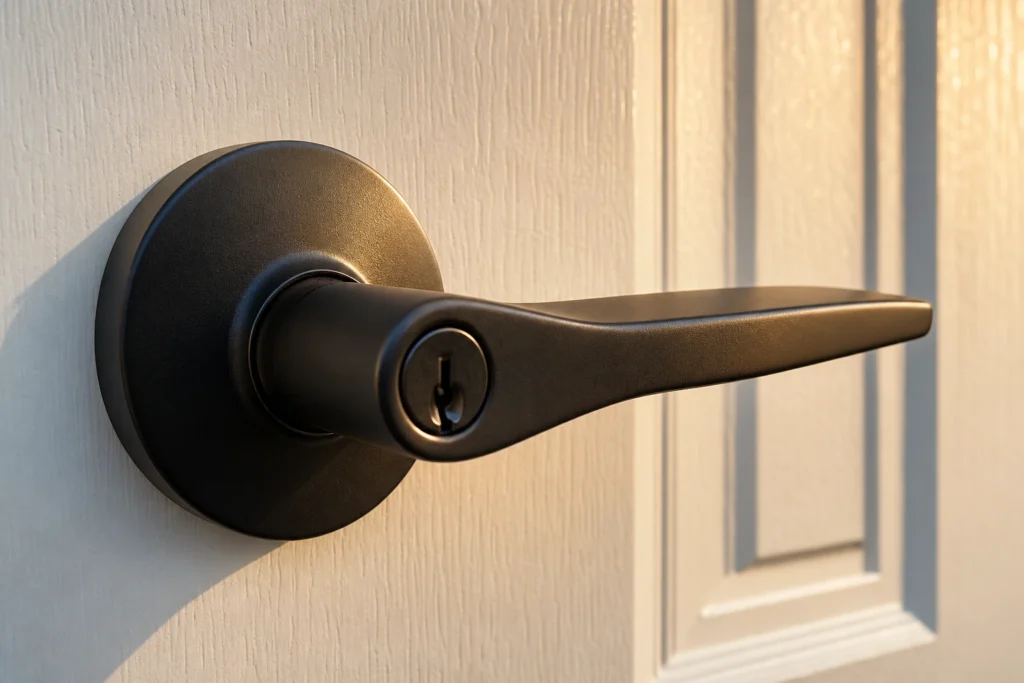
A storefront lock that will not turn at opening time stalls payroll, pushes back deliveries, and sends customers to the sidewalk. The fastest path out of that jam is a clear, step‑by‑step process you can put in motion right away. Here is a practical walkthrough of how a commercial locksmith call typically unfolds in 2026, and what you can do to help each step move faster.
Start With a Focused Call
Dispatch begins with triage for three reasons: safety, the right tools, and the quickest lawful entry. You will be asked to confirm location, describe the exact problem, and note whether anyone is locked in or out. If you know the door and hardware type, say so. Details on whether the building is occupied and which entrance is affected help a technician arrive prepared rather than guessing in the parking lot.
Have these facts ready if you can. They shave minutes off the clock and reduce return trips.
- Exact door location and use: main entrance, rear delivery door, office, or interior suite.
- Hardware basics: key cylinder, keypad, panic bar, or mortise lock if you know it.
- Symptoms: key will not turn, latch will not retract, cylinder spins, or door drags.
- Constraints: high‑traffic hours, alarms tied to the door, or tenant access needs.
If you need a quick overview of service options while you gather details, you can review our Commercial Locksmith page, then call with that information at hand.
What the Technician Checks on Arrival
The first five minutes at the door usually decide the next hour. A pro will check how the door hangs, whether the latch and strike are aligned, and if the issue is the cylinder, the lever, the panic hardware, or the frame. Many “bad locks” turn out to be alignment or wear problems from high traffic. A door that drags on the threshold or rubs the strike plate can make a healthy lock feel broken.
Expect a quick safety check as well. If the door is a required exit, the plan will account for safe egress while work happens. Clear space around the door speeds the job: move display racks, pallets, or mats that block tools and sightlines.
Entry, Repair, or Rekey: Making the Call
Once the cause is identified, the next decision is the lightest effective fix. The priority is non‑destructive entry when a lockout is the issue, then stabilizing hardware so the door works cleanly under normal use.
- If the cylinder is functioning but control of keys is the risk, rekeying often restores security without replacing hardware. That means new keys, retired old keys, and no change to the door prep.
- If the problem is wear in high‑traffic hardware, targeted part replacement can extend life. Worn latches, sprung levers, or tired springs are common on busy doors.
- If the door is out of alignment, a strike or hinge adjustment can return smooth operation. This avoids forcing the lock, which leads to broken keys and repeated callbacks.
- If the hardware is beyond repair, a replacement is chosen to match the door’s prep and daily use. The goal is to fit correctly so the latch engages fully and the key turns without grind.
These choices are shaped by scope and urgency. That same idea is covered in more depth on our published guide, Commercial Locksmith: Costs, Timelines, and Choices if you want to plan budgets before you call.
Keeping Operations Moving During the Fix
Downtime is the silent cost on a commercial call. You can keep it low by assigning a point of contact who can approve small adjustments on the spot. If foot traffic is heavy, set a quick plan for customer flow through an alternate entrance while work is happening. Clear, rapid approvals usually beat low bids that tie up the entrance for an extra hour.
If access needs to continue during the fix, a technician may stage work in short windows between customer surges or stabilize the door first, then refine adjustments once the rush passes. The fewer surprises they encounter at the door, the faster this goes. That is why an accurate description on the first call pays off minutes later.
What Happens After the Door Works Again
Before wrapping up, expect function checks with the door fully closed and latched. The technician will usually test from both sides, verify key operation, and confirm that the latch engages the strike without shoulder pressure on the door. If rekeying was part of the job, keys are cut and verified on‑site, then handed to the authorized contact.
You can ask for quick, plain‑language notes about what failed and what was done. Those notes help set maintenance reminders and reduce repeat issues. If a broader upgrade makes sense, like moving a high‑traffic entrance to more durable hardware, capture that as a separate decision rather than stretching an urgent visit into a long install. For a broader view of options beyond today’s fix, browse our full lineup of locksmith services.
Next Steps for Your Team
A simple prep checklist, a single decision‑maker, and a clear description of the problem will cut your downtime the next time a door acts up. If you want help right now or prefer to schedule outside peak hours, send a note through our Contact Us page and include the entrance, symptoms, and any photos. The more specific you are, the faster you get back to work.