
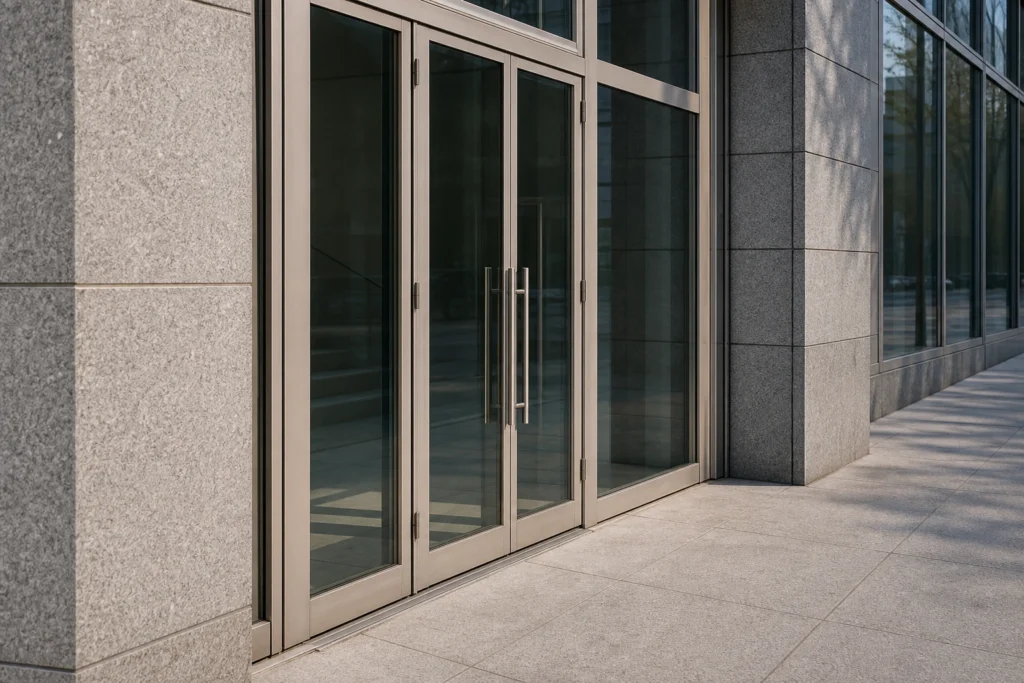
A storefront lock that refuses to turn at opening time holds up payroll, deliveries, and customers. The fastest way to avoid that spiral is to know how a commercial locksmith call actually plays out in 2026, what drives cost, what shapes timelines, and which choices keep your doors secure without slowing operations.
What Drives Cost on a Commercial Call
Pricing is built around scope and urgency. A single door that needs a rekey is different from a high‑traffic entrance with worn hardware, and both are different from a full hardware upgrade. Expect the estimate to reflect the number of affected openings, the type of locks or exit devices involved, and how quickly you need service.
Labor is a major variable because commercial doors are not all the same. Aluminum storefronts, steel fire doors, glass entries with patch fittings, and wood office doors each require different tools and techniques. If the lock is part of a panic device or paired with door closers or electrified hardware, the work often takes longer than a simple cylinder swap.
Access control and key control decisions also affect price. A straightforward rekey keeps your existing hardware and changes who has access. Replacing a lock adds material cost but can fix chronic issues a rekey cannot. Choosing restricted or patented keyways improves key control and typically carries a higher key cost. After‑hours scheduling, travel, and special‑order parts can add to the total.
You can make estimates more accurate by sharing clear details on the first call. Photos of the door edge and the lock face, noting whether the building is occupied, and describing how the lock is failing all help a technician plan the right approach and avoid repeat trips.
How the Timeline Usually Unfolds
Commercial jobs follow a predictable arc from triage to handoff. The first minute shapes the next hour because dispatch decisions depend on safety, location, and the exact problem. Urgent issues are prioritized, planned projects are scheduled to fit your operations, and special‑order hardware is timed around lead times.
Here is the typical flow many businesses experience in 2026:
- Initial triage: confirm safety, location, door type, and the specific issue.
- On‑site assessment: verify the problem, test hardware, and confirm scope.
- Options and approval: choose rekey, repair, or replace based on need and budget.
- Parts and scheduling: stock items can be installed immediately, special orders are scheduled when they arrive.
- Work performed: hardware is installed or serviced, and the door is tested under normal use.
- Keying and documentation: keys or codes are assigned as authorized, and the work is documented for your records.
- Follow‑up: adjustments and future service are discussed so you know who to call if something changes.
Two points influence timing more than most people expect. First, decision latency matters. If the choice between repair and replace sits for a day, the whole schedule slips, even if the job itself is short. Second, parts availability dictates pace. Common cylinders and latches are usually on a truck. Specialty finishes, restricted keyways, or specific exit devices may need to be ordered, which extends the timeline.
Smart Choices That Change Cost and Time
Your decisions at each step change both the budget and the clock. Rekeying is the fastest way to reset who has access, particularly after staffing changes. Replacing a failing lock solves deeper mechanical issues and can reduce callbacks. Choosing grade‑appropriate hardware for the door’s traffic level prevents paying twice for premature wear.
Mechanical versus electronic is a planning choice as much as a security choice. A keypad or smart lock can simplify access changes, but setup, alignment, and power management need attention. If you are considering that route, plan for what happens after a power loss and who will manage codes or credentials. For a deeper comparison that helps frame this decision, review the guidance in our Smart Locks (2026 Update) article, then translate those points to your commercial entry needs.
Key control is another lever. Standard keyways are quick to duplicate, which is convenient but less controlled. Restricted or patented key systems improve control over duplication and are suited to businesses that must limit unauthorized copies. That choice increases per‑key cost but can reduce rekeys over time.
A phased approach keeps operations moving. For example, you might rekey today to restore control, then replace worn hardware on the busiest doors next, and schedule lower‑priority upgrades after that. Hypothetically, a shop with three entrances could tackle the main customer door first, address the employee entrance next, and leave the rear storage door for a scheduled maintenance window. The total cost stays similar, but the impact on daily business is reduced.
Next Steps for Your Team
Walk your entrances and list the doors that cause the most friction, such as sticking latches, keys that bind, or hardware that is wearing unevenly. Decide where rekeying solves an immediate need and where replacement would end recurring problems. Then set a simple priority order so approvals move quickly when you request service.
If you want help translating those choices into action, start with our overview of Commercial Locksmith and the range of related work on the Services page. When you are ready to schedule or ask a question, reach out through Contact Us.