
Your app says “armed,” but the side door only locks if you lift the handle just right. The slider rattles if you tug up, and there is still an old spare key under a planter no one remembers placing there. That gap between what you think is secure and what actually is secure is where break-ins happen. If you have been searching “home security tips locksmith” and getting generic advice, this walkthrough shows how to fix the specific problems you face, in the order that makes the biggest difference.
Start Where You Actually Enter
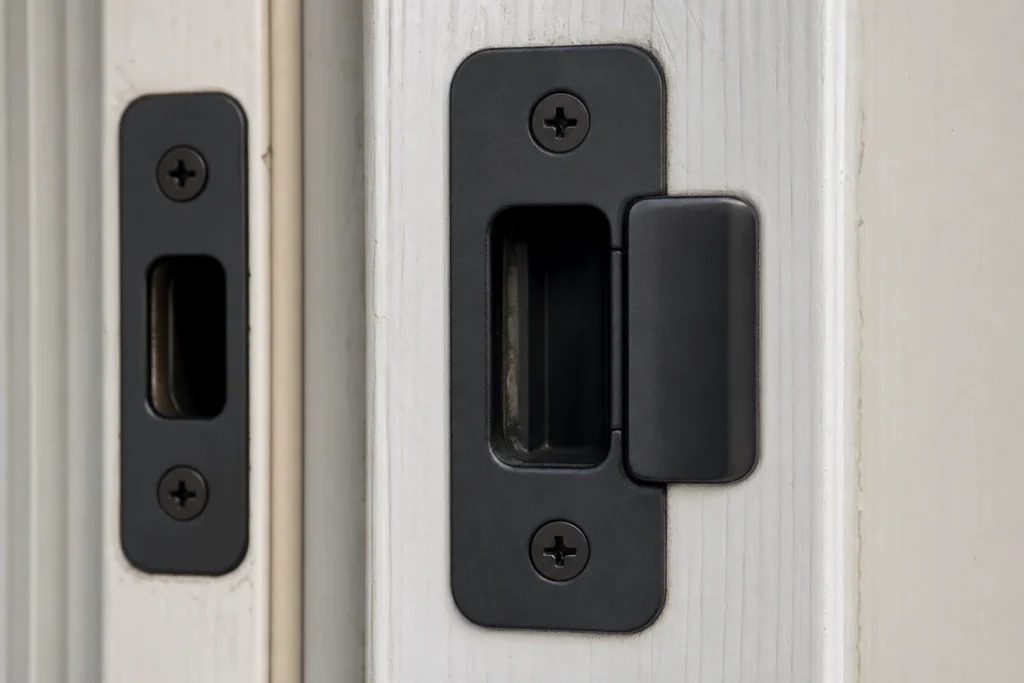
Most intruders try the same place you do. Stand at your primary entry and close the door softly. If you have to shove it for the deadbolt to set, alignment is off and the bolt is not biting into solid wood. Turn the thumbturn and feel for a firm stop. A soft, springy feel usually means the bolt is riding on the edge of the strike instead of sitting in a deep pocket.
Open the door and watch the bolt move while you lock and unlock. If the bolt does not fully extend or it drags, the door and frame need tuning. Tighten hinge screws on the door and the jamb, then replace any short strike plate screws with 3-inch screws that reach framing lumber. That simple change adds real resistance to kicks and prying without changing the look of the door.
If your lock cylinder wiggles or the key binds, the problem is inside the hardware. Rekeying or replacing a tired cylinder is fast and cost effective. For help selecting secure hardware that fits your door, read about our residential locksmith services.
Fix the Slider and Windows That “Mostly” Lock
A sliding door that lifts off the track can be opened even with the latch set. Fit an anti-lift device at the top rail so the panel cannot be raised, then use a snug dowel or an adjustable bar in the lower track so the slider cannot move even if the latch is bypassed. Close the door, set the bar, and try to budge it. No movement means you did it right.
Walk your ground-floor windows. Many latches only hold when the sash is pressed down or which is not reliable. Add pin locks or sash stops so a window cannot slide more than a couple of inches for ventilation, and fully lock it when you leave or sleep. If a window rattles in its frame, it is easy to pry. Tightening screws, replacing worn latches, or adding a secondary lock turns a “maybe secure” window into a firm no.
Close the Garage and Side-Entry Gaps
as the front door. It should latch cleanly and lock with a real deadbolt, not just a knob. If the deadbolt does not seat every time, adjust the strike until it does. On overhead garage doors, review the emergency release. A simple shield over the release cord area prevents easy fishing through the top seal while still letting you use the release from.
Check the side gate and any service doors. A lock that wobbles in a thin, cracked jamb invites force. Reinforce the strike area with longer screws and a sturdier plate. Trim bushes that hide those doors. If a person can stand unseen for ten seconds, you are giving them time they do not need to earn.
Light The Right Spots, Not Every Spot
Bright lights everywhere create glare and false alarms, which you start to ignore. Aim motion lights down and across approach paths, not into the street. Walk your yard after dark with your phone camera running. Notice where your own eyes hesitate. That is where a small, focused light will help you, and it is where a camera should cover the lock hardware, not just the general area.
Control Keys and Codes Before You Buy More Gear
If you cannot count who has working keys, your hardware choices matter less. Collect and label what you have, retire the planter spare, and choose either a small exterior lockbox with a code you change or a smart deadbolt that keeps a traditional keyway for backup. If you use codes, audit them. Remove guests who no longer need entry, and set calendar reminders to change temporary codes.
A quick rekey brings old keys under control without replacing every lock. If you are weighing rekeying, upgrading deadbolts, or adding a keyed smart option, browse our Services to see the paths that fit a typical home.
A 10-Minute Nightly Pass That Actually Works
- Check the primary door: deadbolt fully extended, handle turns freely with the bolt set.
- Bar the slider and glance at the anti-lift strip.
- Spot-check two ground-floor windows for positive latching.
- Verify the garage-to-house door is locked.
- Scan camera notifications and clear obvious false alerts so real ones stand out.
This is one of those practical home security tips for homeowners that sticks because it is short. Do it out loud a few nights in a row and it becomes habit. The goal is not perfection. It is reducing easy wins for anyone testing your place.
When A Pro Makes Sense
If a lock needs force to set, the door edge is chewed up, or a window latch will not hold even after tightening, that is the point to bring in a locksmith. A technician can realign the strike, replace a tired cylinder, or recommend a deadbolt that fits your specific door material and usage. If you want a quick, no-pressure walkthrough of options, reach out through our Contact Us. A small fix in 2026 often beats a big upgrade that ignores the basics.